
Facial Balancing & Dermal Fillers
What can dermal fillers actually do for me?
“Filler restores volume and balance — cheeks, under-eyes, jawline, lips — rather than simply filling wrinkles. I treat the face as a whole and add support where it has been lost, using the smallest amount that gives a natural, proportionate result. When volume loss is better treated by stimulating your own collagen, I’ll recommend a biostimulator instead.”
— Deborah Lenchus, MSN, APRN
Facial Balancing — A Refined Version of You
Facial balancing is about proportion — not just filling one area. Using hyaluronic acid (HA) fillers, our nurse practitioner enhances your features in harmony with the rest of your face, so the result looks like a refined, rested version of you — never overdone. At LuXe Concierge Aesthetics in Davie, FL, natural results are the priority, and because HA fillers are reversible, you and your injector keep flexibility and peace of mind.
Medically reviewed by Deborah Lenchus, MSN, APRN · Last reviewed July 2026
What Are Dermal Fillers?
Dermal fillers are smooth gels injected just beneath the skin to restore volume, smooth folds, and refine the contours of the face. Most of the fillers used at LuXe Concierge Aesthetics are made of hyaluronic acid, a sugar your body already produces to keep skin hydrated and plump. That matters, because it means the gel feels natural, integrates with your own tissue, and can be dissolved if you ever want it gone. Where Botox relaxes muscles, filler does something different entirely: it replaces the volume that age, gravity, and collagen loss quietly take away.
Used well, filler doesn’t announce itself. The goal isn’t a plumped, overdone look. It’s your own face, a little more supported and balanced, the way it looked a few years ago.
How Do Dermal Fillers Work?
Aging takes more than skin elasticity. Bone recedes, the deep fat pads shrink and shift, and collagen production slows. That’s why cheeks flatten, the jawline softens, under-eyes hollow, and the folds around the nose and mouth deepen. Filler works by physically replacing that lost structure. Placed at the right depth and in the right spot, a hyaluronic-acid gel lifts and supports the tissue above it, which is why a well-placed cheek treatment can soften a fold around the mouth without a drop of product going into the fold itself. The hyaluronic acid also draws in water, adding subtle hydration and a fresher look to the skin.
The Benefits of Dermal Fillers
- Immediate, visible results — you leave with more volume and contour the same day.
- Natural-looking restoration of the cheeks, lips, jawline, chin, and under-eyes.
- Softens deep folds that Botox can’t reach, since those come from lost volume rather than movement.
- Reversible — hyaluronic-acid fillers can be dissolved with an enzyme if you want an adjustment.
- Little to no downtime; most people head straight back to their day.
- Fully customizable, from a subtle refresh to a more defined contour.
Facial Balancing: Treating the Whole Face, Not One Line
The most natural results almost never come from chasing a single wrinkle. Because the face ages as a whole, the smartest approach looks at proportion and support across every feature: a little lift in the cheeks, some definition along the jaw, a stronger chin to balance the profile. Done this way, it usually takes less product than people expect, because the goal is harmony rather than volume for its own sake. This is the art behind filler, and it’s why the plan is always mapped to your unique anatomy.
What Dermal Fillers Treat
Filler is remarkably versatile. Common areas include:
- Cheeks and midface volume
- Lips — shape, definition, and hydration
- Chin and jawline definition
- Under-eye hollows and tear troughs
- Nasolabial folds and marionette lines around the mouth
- Temples, which hollow with age
- The backs of the hands
- A non-surgical nose refinement, and softening of mild asymmetry
Choosing the Right Filler: Juvederm, Restylane & RHA
There’s no single best filler, only the best filler for a given spot on a given face. The full range is kept on hand, and each one has its own character. Firmer, more robust gels are built to hold deep structure like the cheeks and jawline. Softer, more flexible gels are what you want in the lips or fine lines, so nothing looks stiff when you talk and smile. The RHA line is designed to move naturally with the more animated parts of the face. Picking the right product at the right depth is genuinely the difference between a result that looks natural and one that looks obvious.
Filler or Biostimulator?
Patients often ask which is better, and the honest answer is that they do different jobs. Hyaluronic-acid filler gives immediate, targeted volume and can be dissolved. Biostimulators like Sculptra and Radiesse work more gradually, prompting your own body to build collagen for broad, foundational support. Many people end up doing both: a biostimulator to rebuild the foundation, filler to fine-tune the details.
Who Is a Good Candidate?
Most healthy adults who want to restore volume, soften folds, or refine their contours are good candidates. The best outcomes go to people with realistic expectations who want to look refreshed rather than dramatically different. A consultation is the place to talk through your goals, your anatomy, and whether filler, a biostimulator, or a combination will get you there.
Who Should Avoid It?
Filler isn’t right for everyone. It’s held off during pregnancy and breastfeeding, when there’s an active cold sore or skin infection at the treatment site, and for people with certain allergies, bleeding disorders, or autoimmune conditions. Anyone with a history of significant reactions to filler ingredients should say so up front. All of this is reviewed during your health history before anything begins.
What the Appointment Is Like
A filler appointment starts with a conversation and a good look in the mirror together, mapping out what will make the biggest difference. The skin is cleansed, and most fillers contain a numbing agent to keep you comfortable; a topical numbing cream can be added as well. The product is placed with either a fine needle or a blunt-tipped cannula, depending on the area. Most treatments take 30 to 45 minutes, and you’ll see a difference right away.
Results and How Long Filler Lasts
You’ll notice a change immediately, and the final result settles over about two weeks as any swelling resolves and the filler integrates. How long it lasts depends on the product and the area — most hyaluronic-acid fillers hold somewhere between six and eighteen months. Areas that move a lot, like the lips, tend to break product down faster than firmer areas like the cheeks or jaw. Occasional maintenance keeps the result looking consistent.
Recovery and Aftercare
Downtime is minimal. For a day or two, ice as needed, drink plenty of water, and skip strenuous exercise, a lot of heat, alcohol, and pressing on the treated area. Some swelling or a little bruising is normal, especially around the lips, and it settles quickly. Because the real result appears once the swelling goes down, it’s worth waiting the full two weeks before judging the outcome.
Risks, Side Effects, and Why Filler Migrates
In skilled hands, filler is very safe, but you deserve the full picture. The common side effects are minor and temporary: swelling, bruising, redness, or tenderness at the injection sites. Occasionally a small lump can form and is easily smoothed or dissolved. The overfilled, migrated look you’ve seen isn’t bad luck — it usually comes from too much product, the wrong product for the area, injecting in the wrong plane, or layering more before the old filler has broken down. Avoiding it comes down to conservative amounts, the correct product and depth, and not stacking treatments too close together. The rare but serious risk is a vascular occlusion, where filler ends up in or pressing on a blood vessel; a deep knowledge of facial anatomy is what prevents it, and hyaluronic-acid filler can be dissolved quickly if any concern arises. That is exactly why the injector’s training matters so much.
What’s Realistic, and What Isn’t
Filler is excellent at restoring volume, lifting and supporting soft tissue, and refining shape. What it won’t do is tighten loose skin or resurface texture — those call for different treatments like skin tightening or resurfacing. And more is not better; the most beautiful results are usually the most restrained. The reassuring part is the safety net: if something ever needs adjusting, hyaluronic acid can be dissolved and you can start fresh.
Why It Matters Who’s Injecting
Facial balancing is as much art as medicine. It comes down to truly understanding anatomy, staying safe around blood vessels, and having an eye for proportion, none of which can be learned from a template. At LuXe Concierge Aesthetics, every filler treatment is performed personally by Deborah Lenchus, MSN, APRN, a nurse practitioner with more than twenty years of experience who also teaches these techniques to other nurse practitioners, PAs, and physicians through both LuXe Concierge Aesthetics and Elevate Aesthetics Academy, and who has performed live VI Peel demonstrations and presented at medical conferences sponsored by VI Peel. No patient is handed off to a technician, and the guiding rule never changes: enhance your features, never overfill them.
Why Choose LuXe Concierge Aesthetics
LuXe is a private, concierge-style practice where an experienced medical provider performs every treatment. Patients travel from Weston, Plantation, Cooper City, Pembroke Pines, Southwest Ranches, Sunrise, and Fort Lauderdale for natural-looking filler and facial balancing. With the full range of fillers on hand and the option to combine them with Botox, biostimulators, and skin treatments, your plan is built around your face and your goals rather than a fixed menu.
Ready to restore and refine? Book a consultation with Deborah Lenchus, MSN, APRN to design a filler plan that looks like you at your best. Call (754) 715-5667 or book online today.
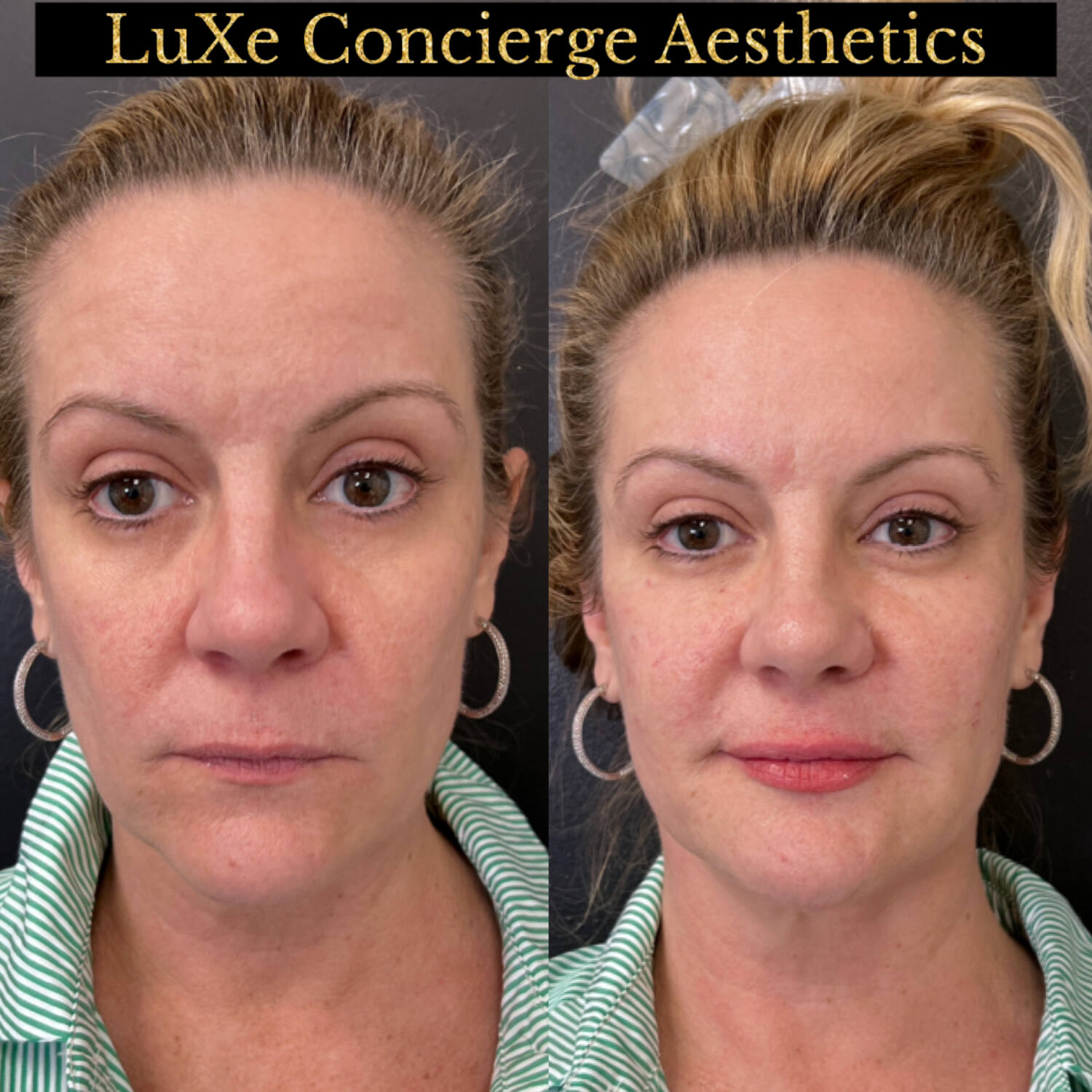
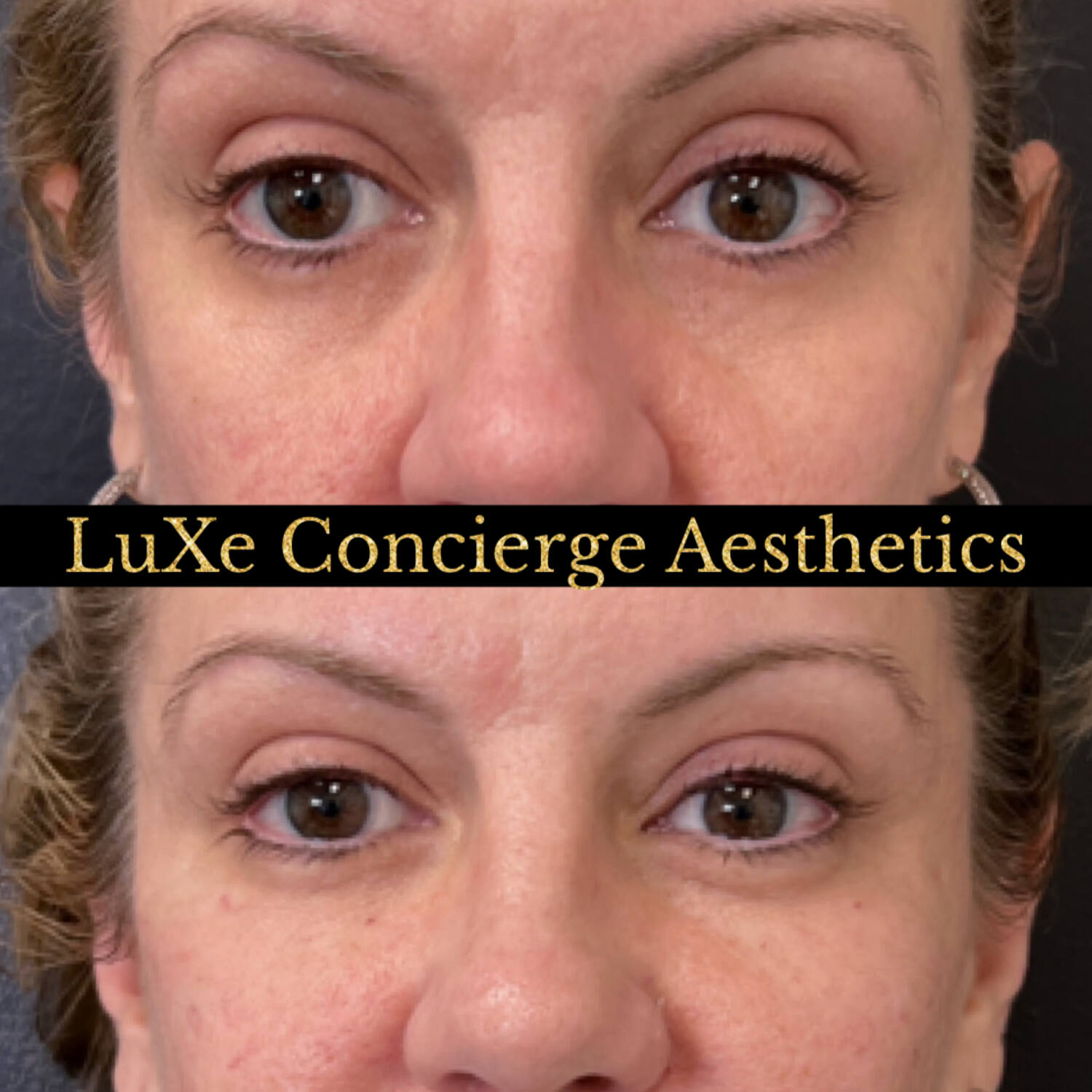
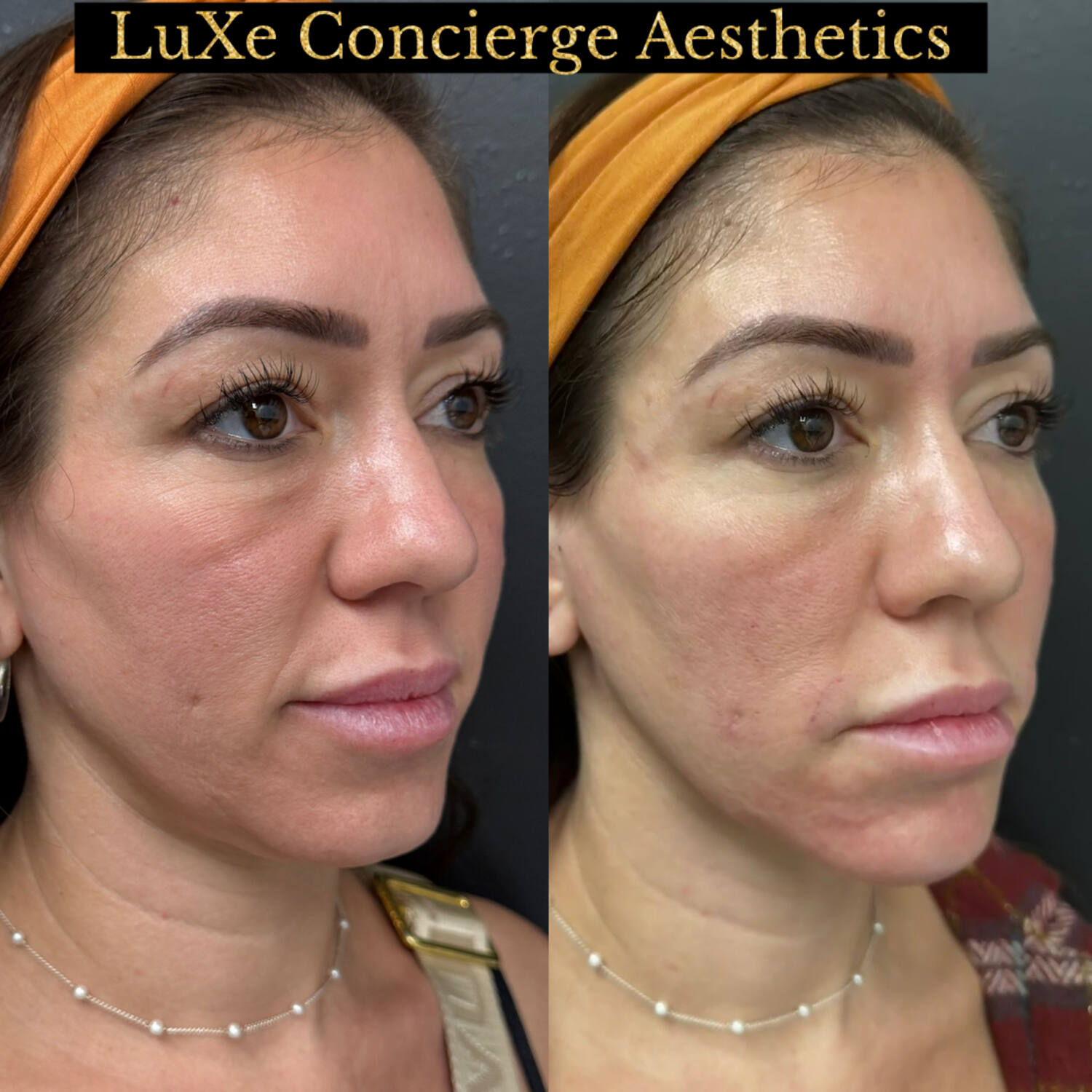
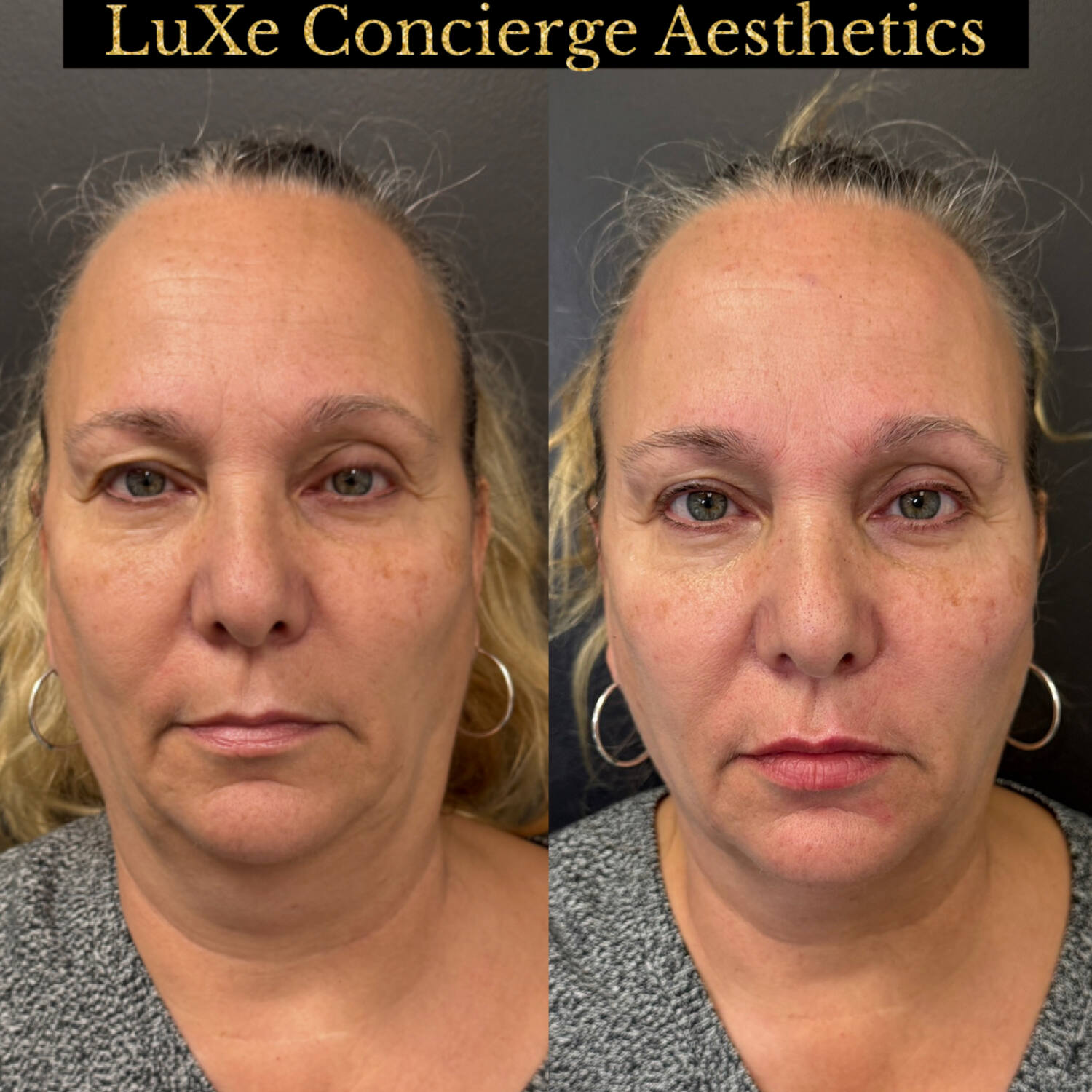
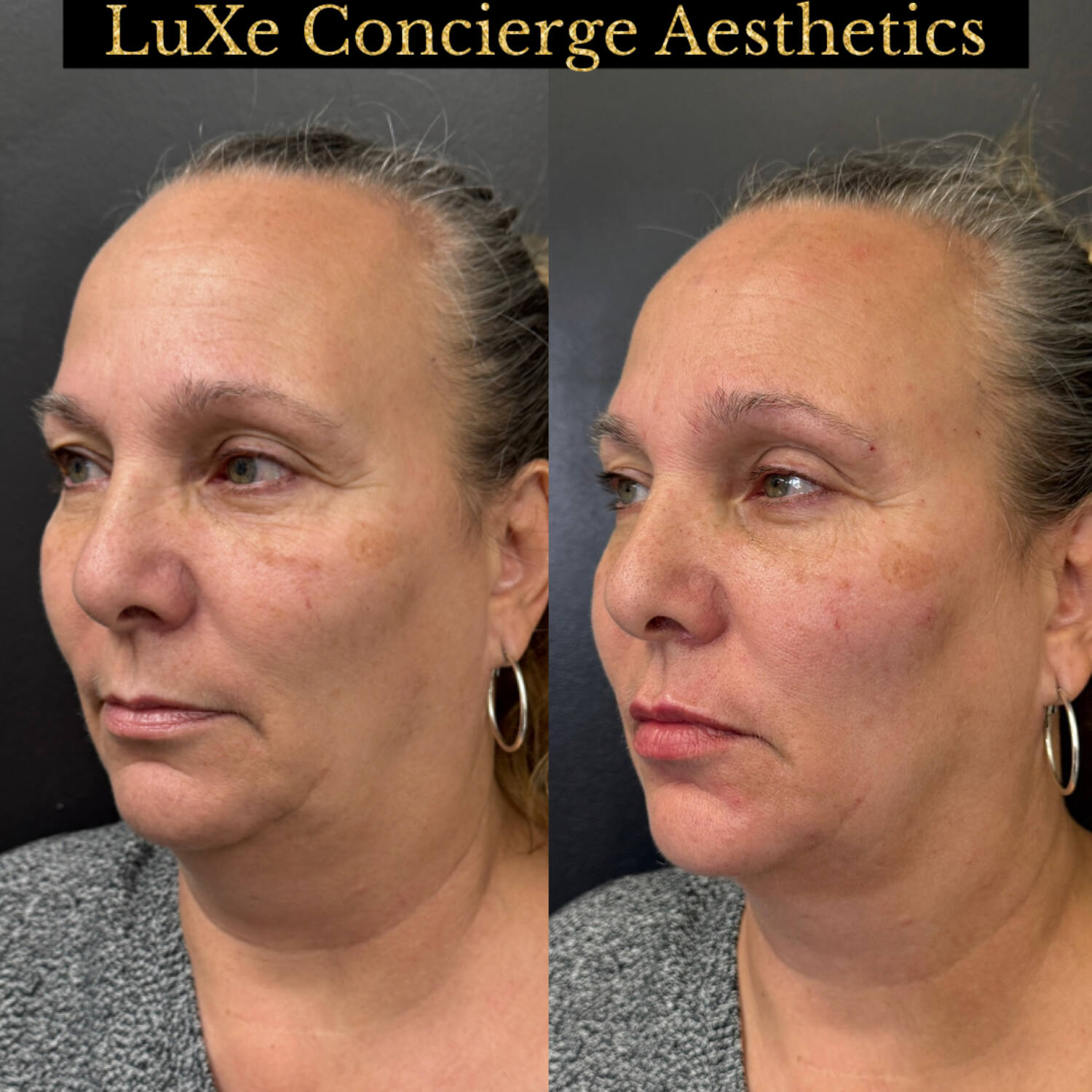
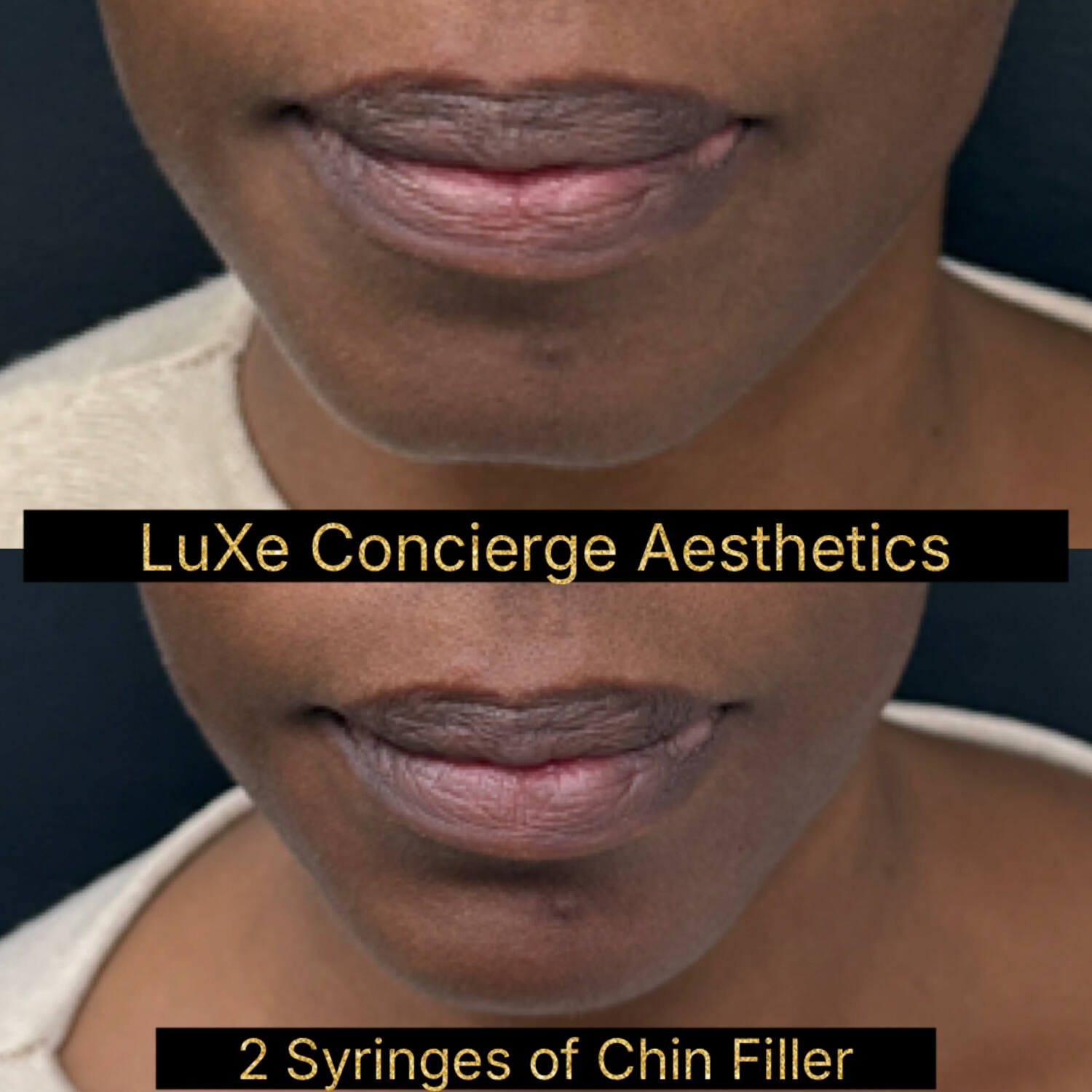
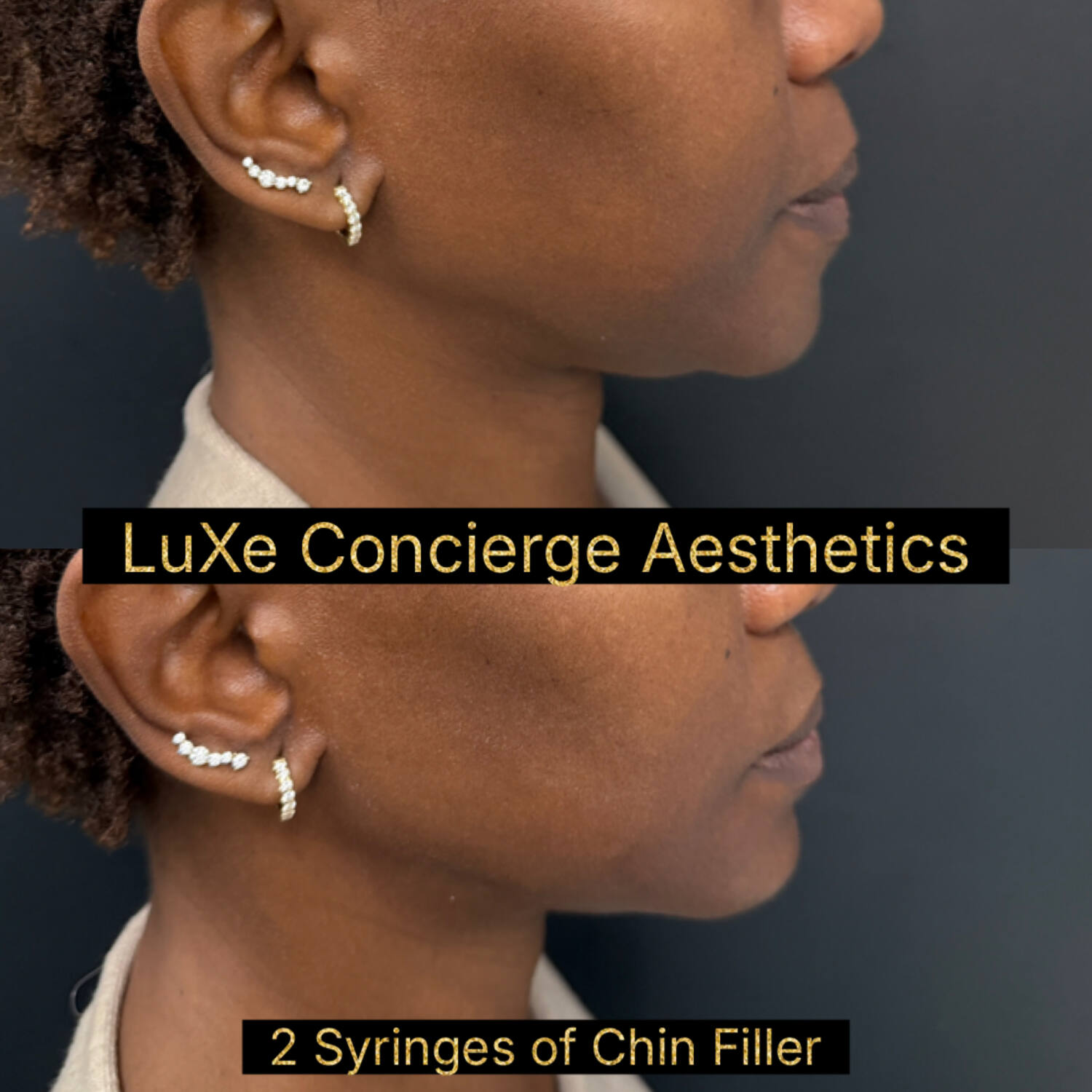
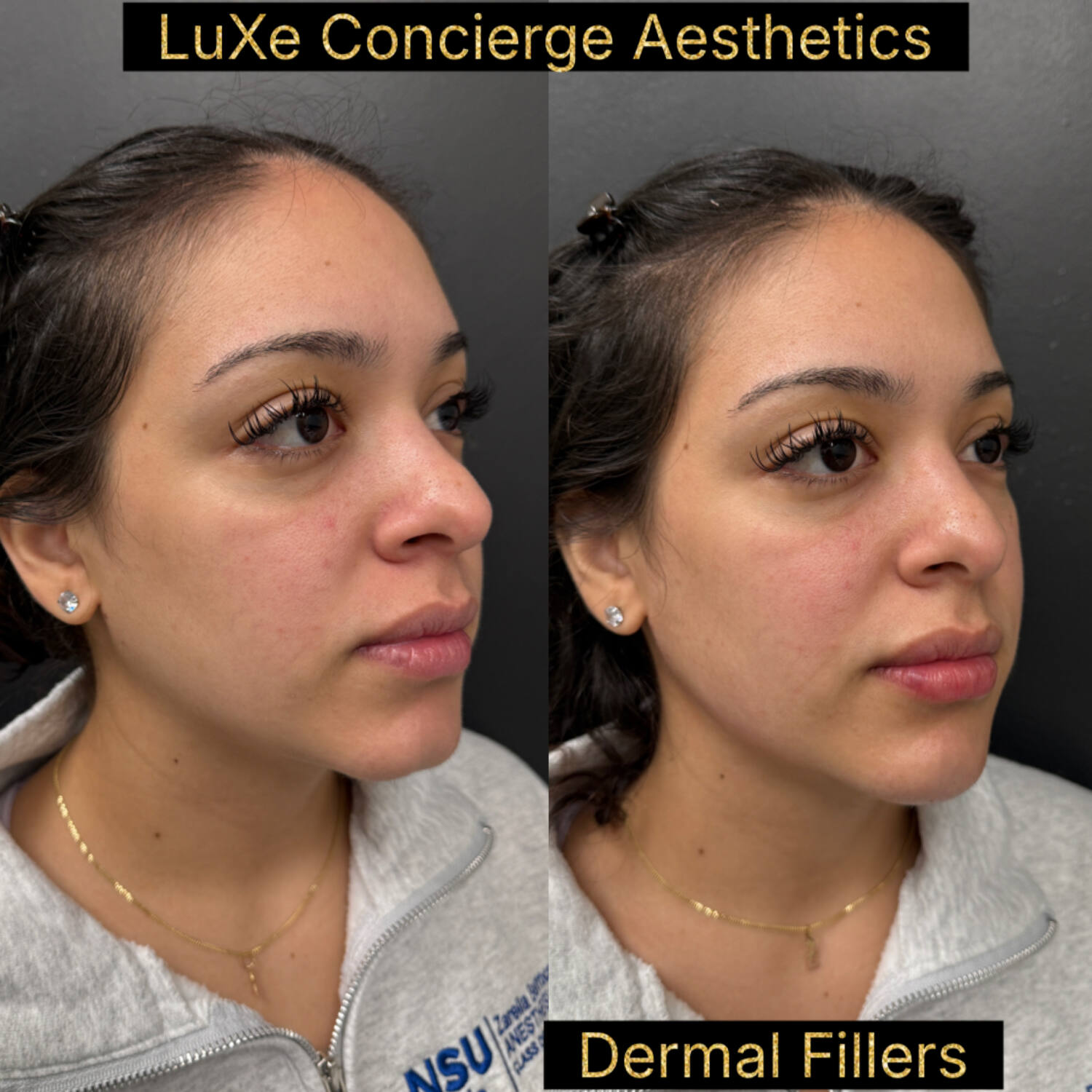
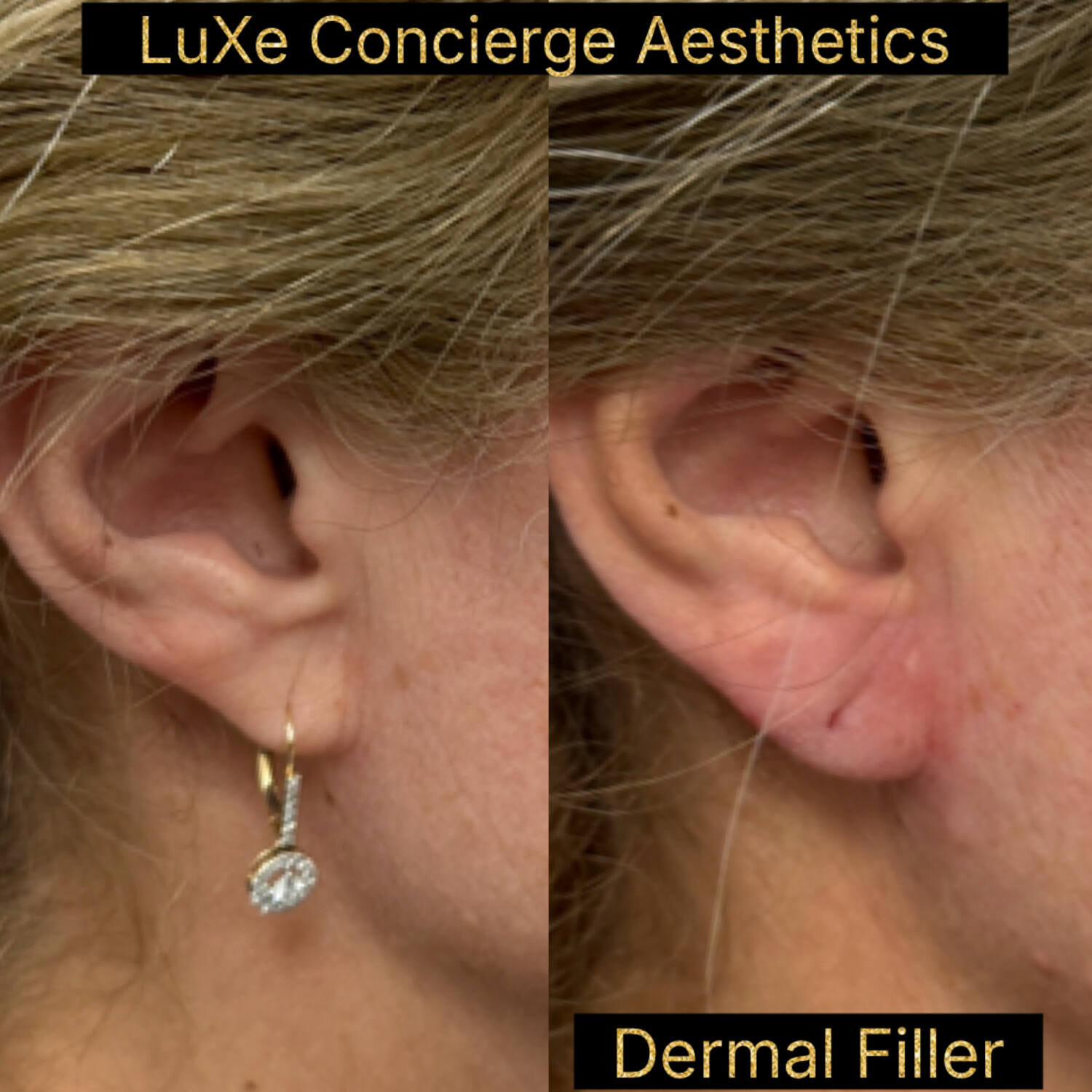
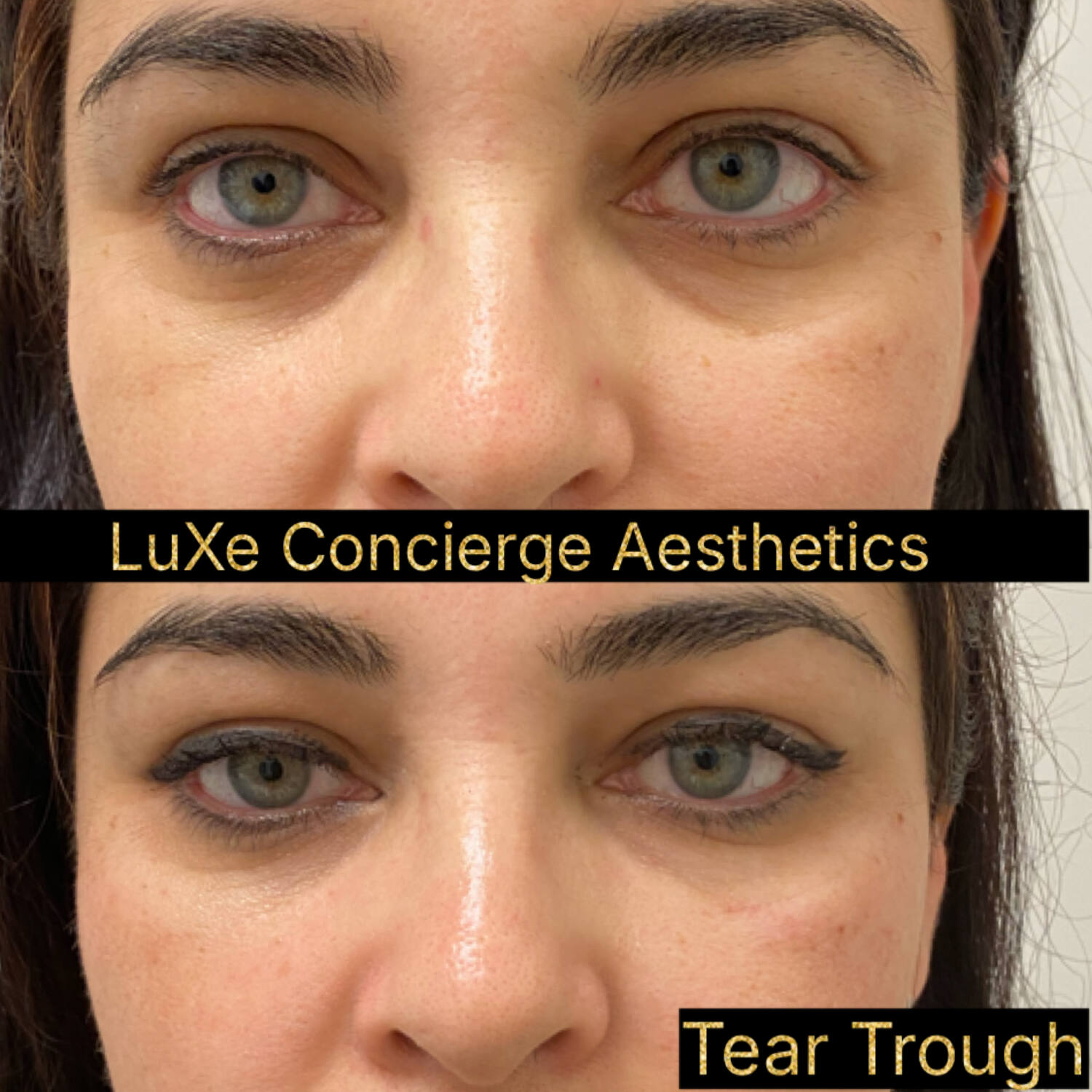
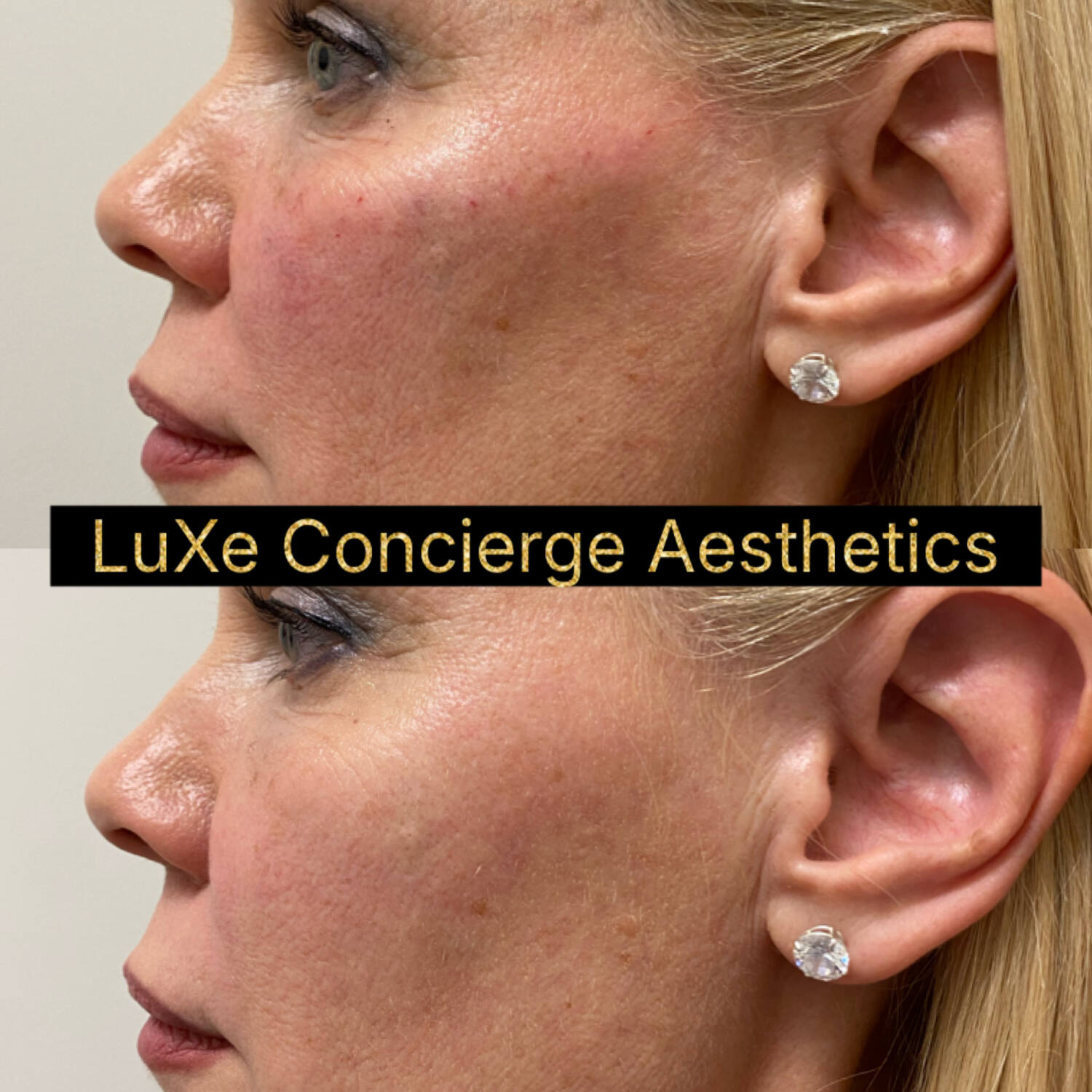
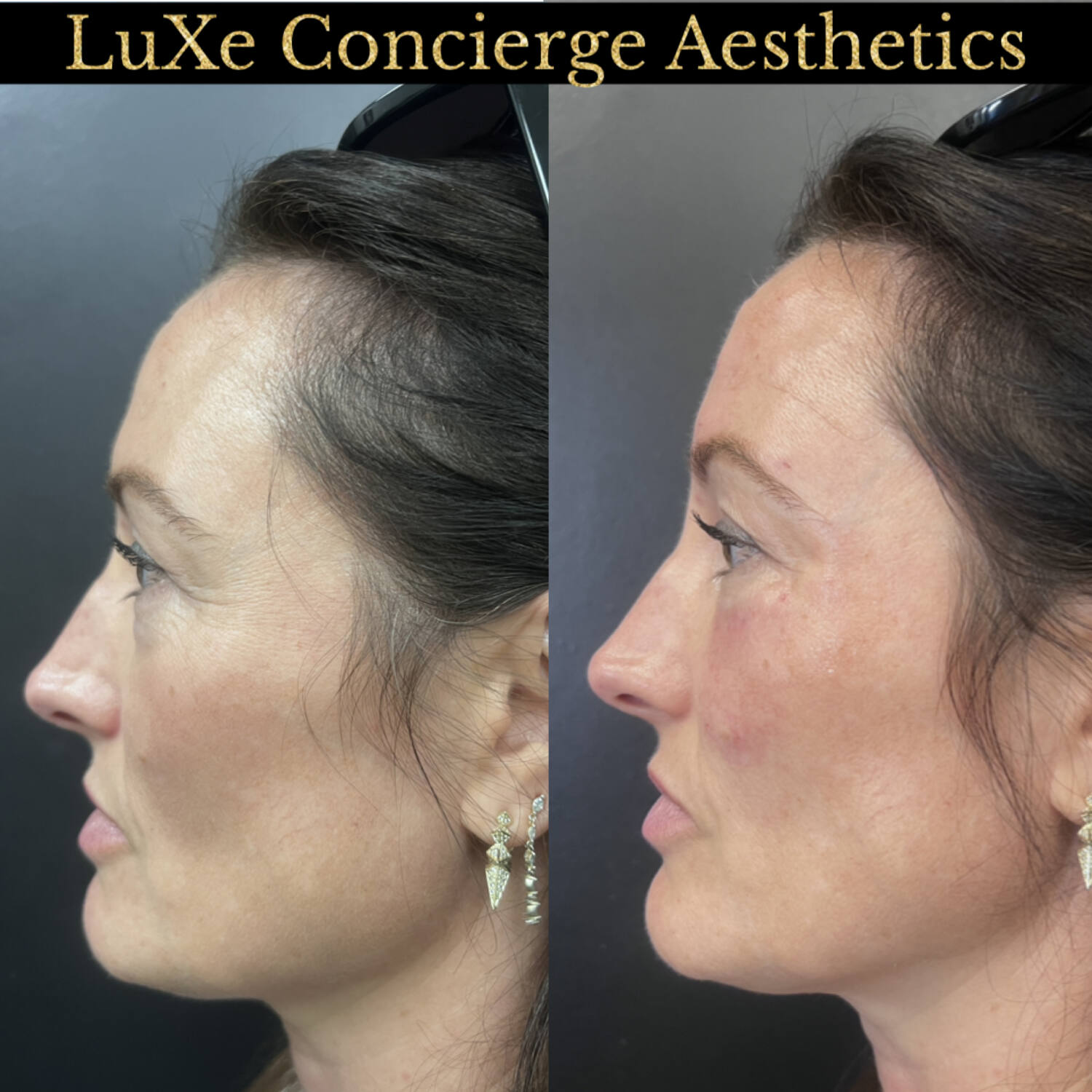
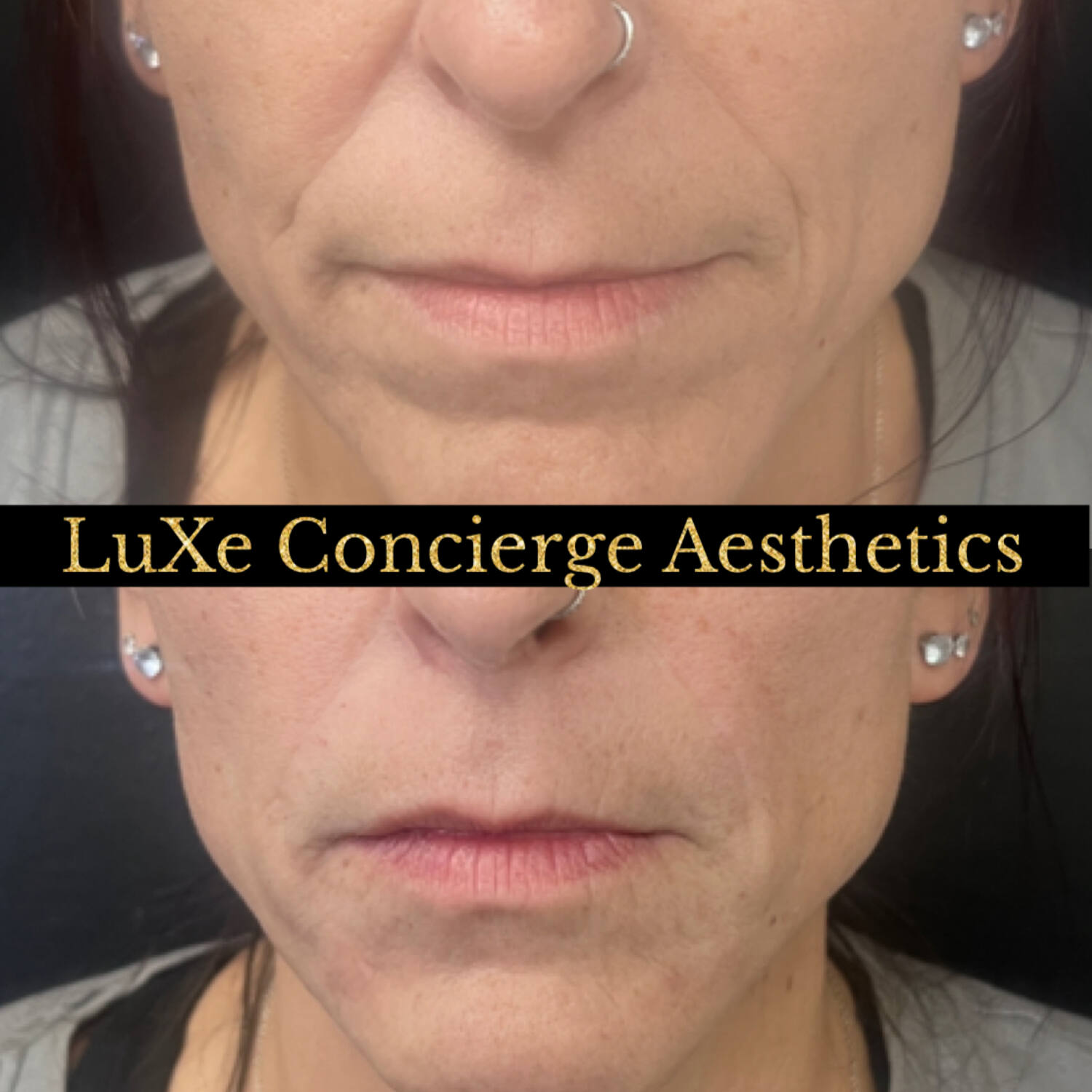
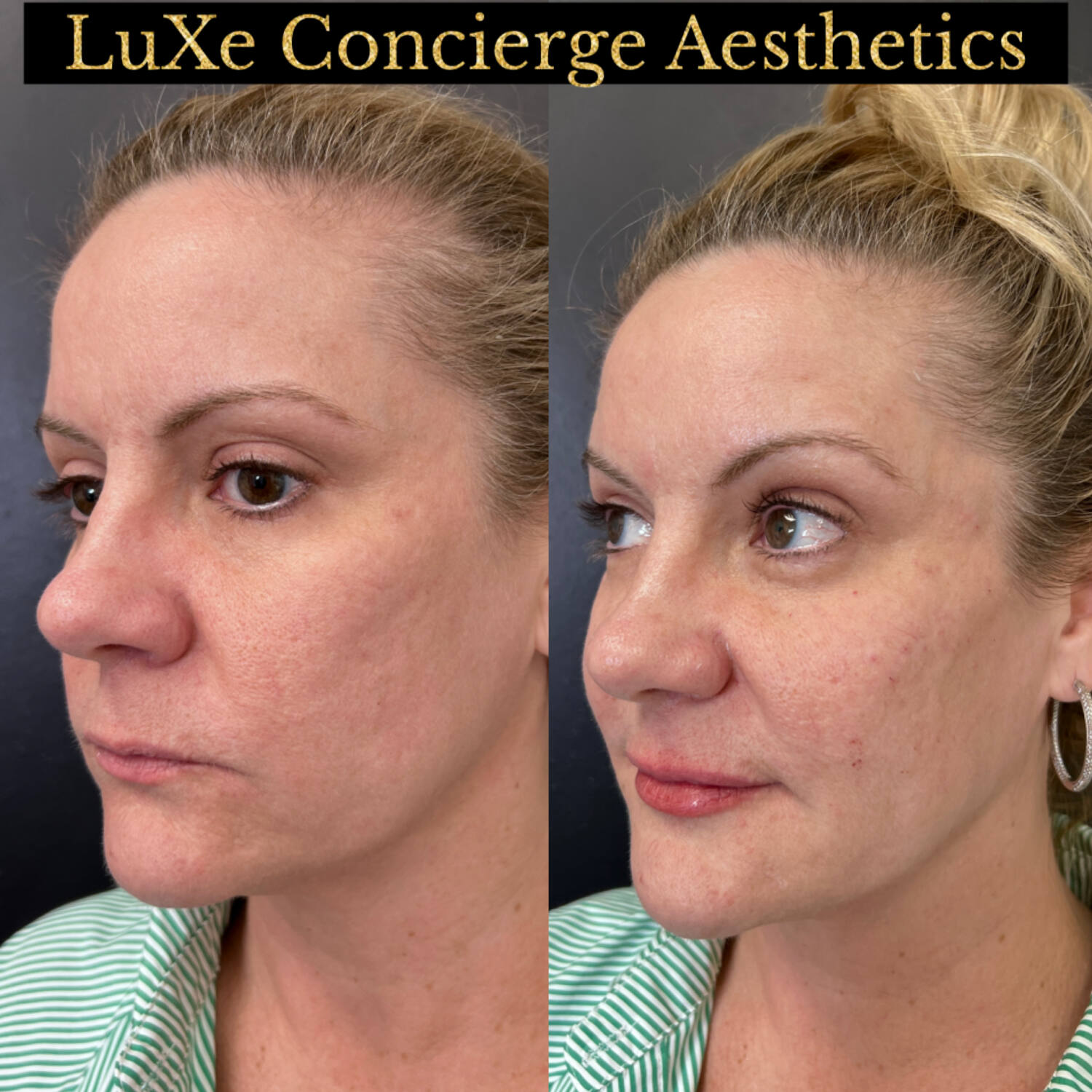
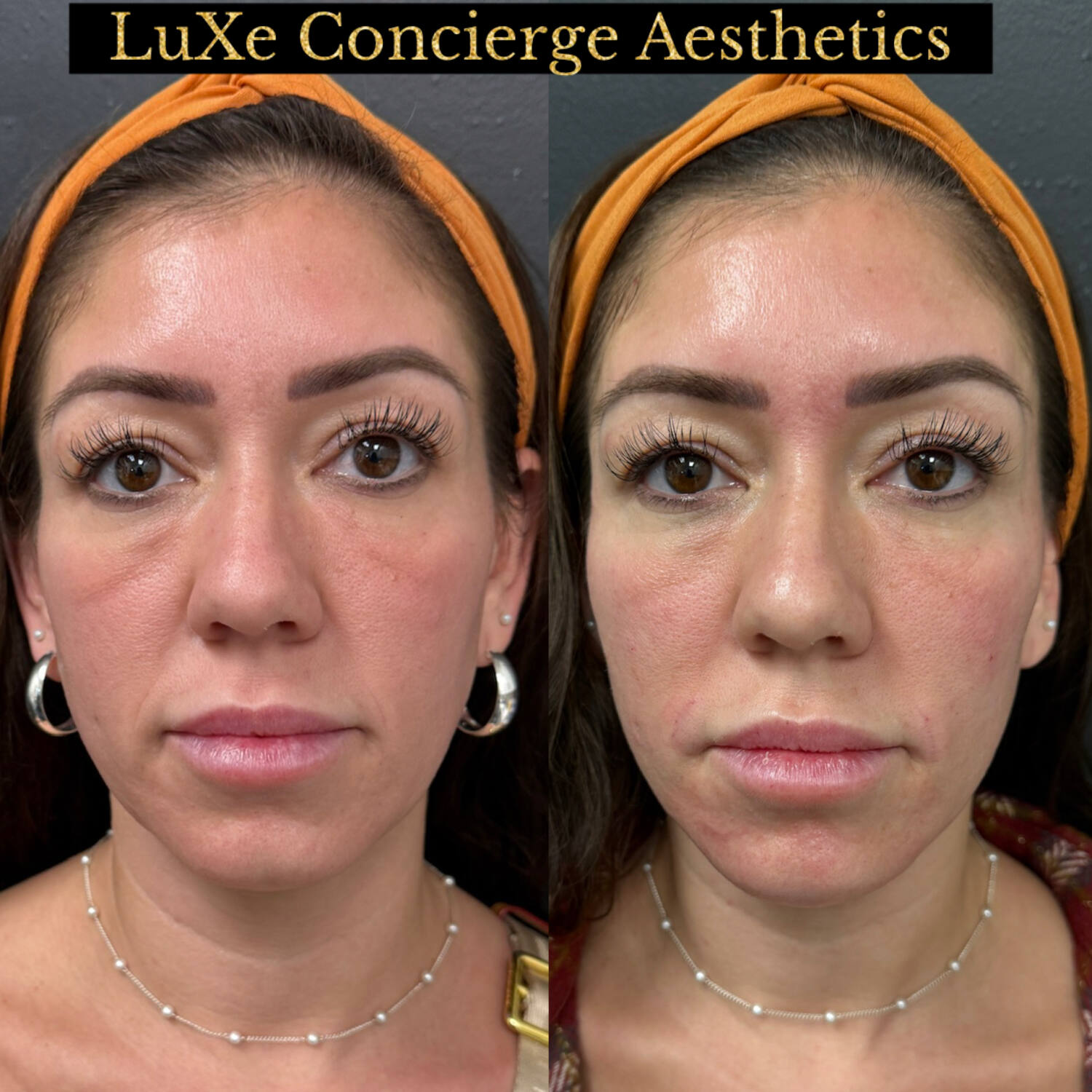
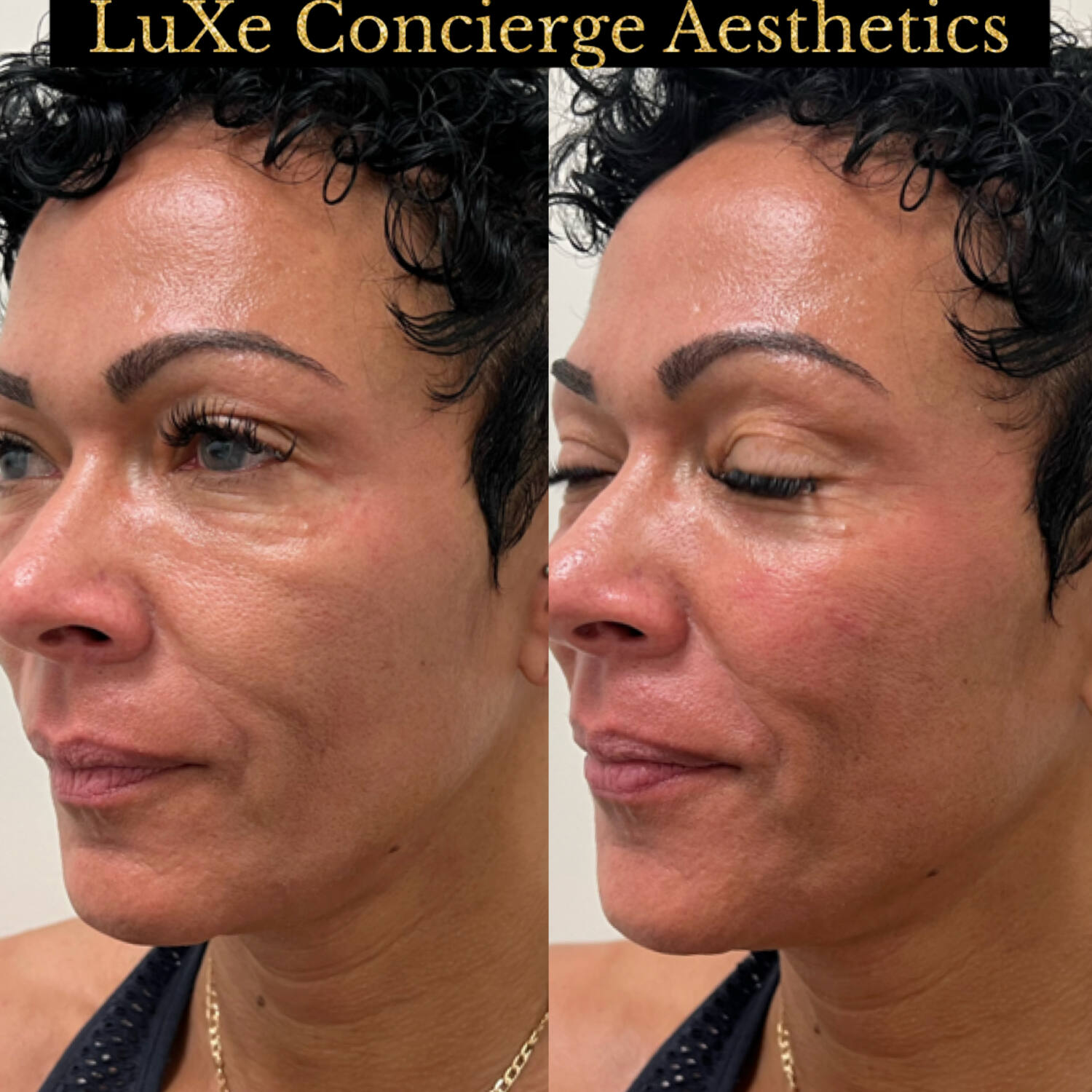
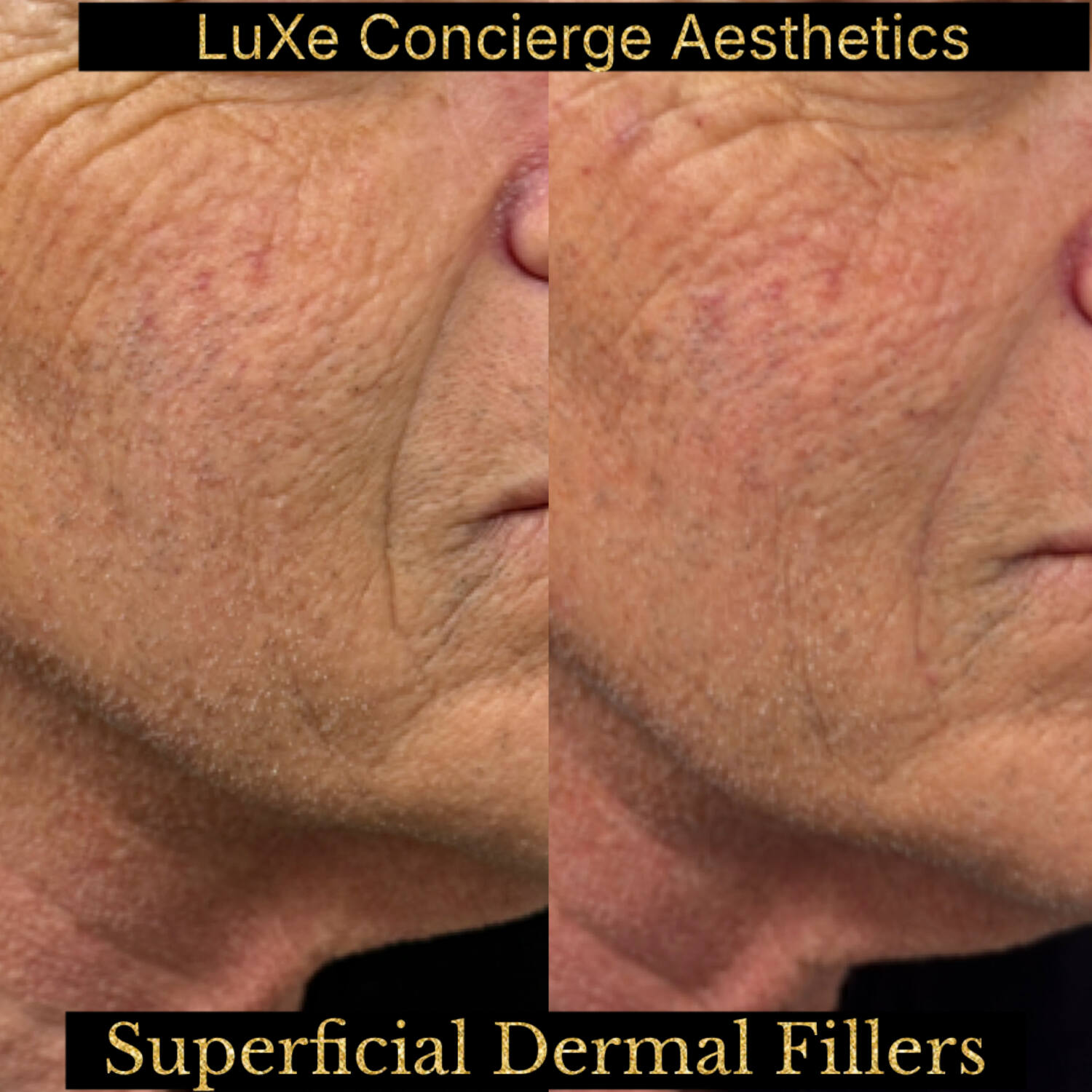
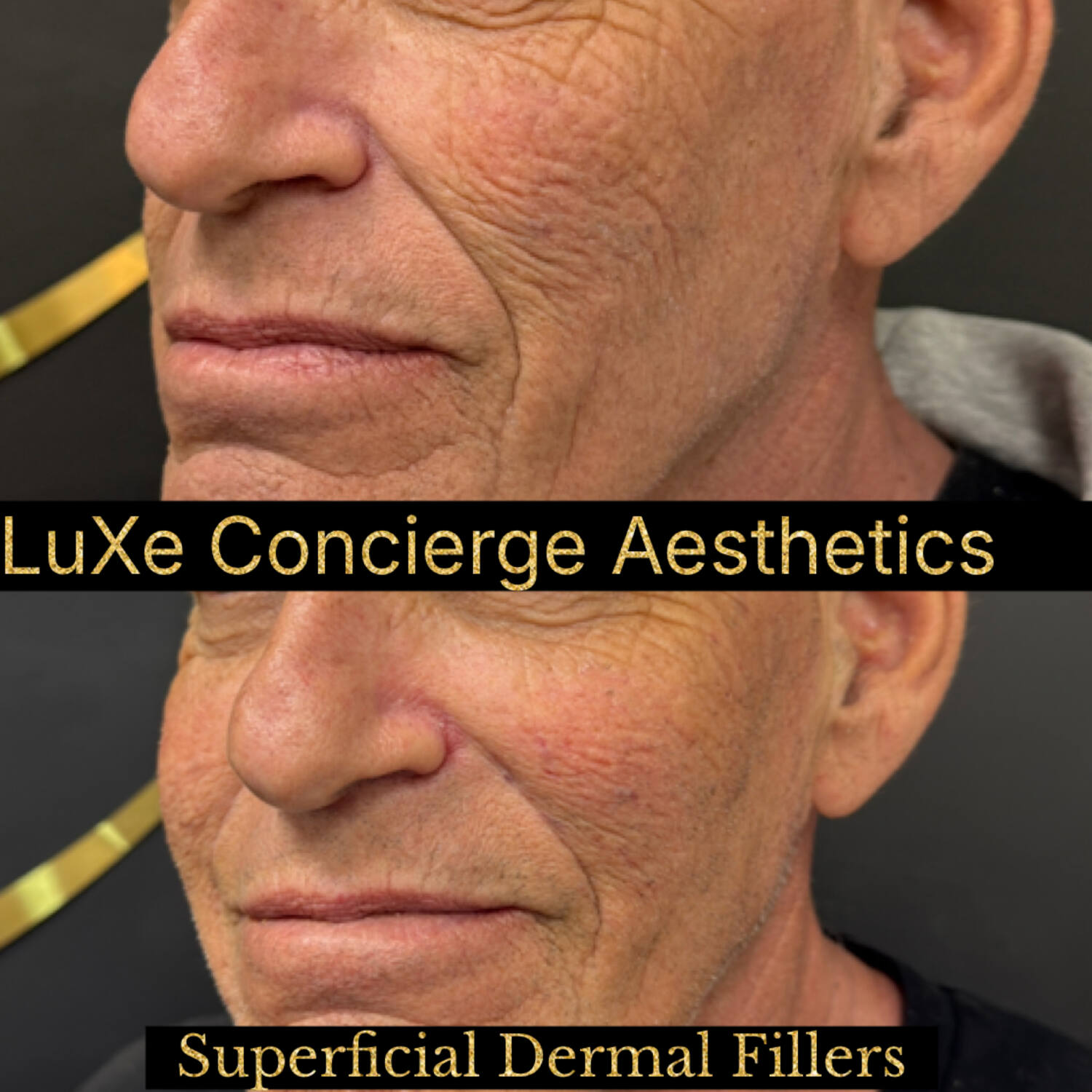
Dermal Filler Before & After























Watch Fillers & Facial Balancing in Action
What is facial balancing?
What areas can be treated with filler?
Will I look overdone?
What is the difference between dermal Filler and neuromodulators?
Dermal Fillers and neurotoxins are both popular cosmetic treatments used to enhance the appearance of the skin, but they serve different purposes.
Dermal Fillers are injectable substances that add volume to areas of the face that have lost fullness due to aging or other factors. They can be used to address wrinkles, fine lines, scars, and loss of volume in areas like the cheeks and lips. Dermal Fillers are often made from hyaluronic acid or other substances that provide hydration and plumpness to the skin.
On the other hand, neurotoxins, such as Botox, are injections that temporarily relax facial muscles to reduce the appearance of wrinkles and fine lines. Neurotoxins work by blocking the signals between nerves and muscles, preventing muscle contractions that cause wrinkles to form.
In summary, Dermal Fillers add volume and fullness to the skin, while neurotoxins relax facial muscles to minimize the appearance of wrinkles. Both treatments can be used in combination to achieve comprehensive facial rejuvenation and a more youthful appearance.
What are dermal Fillers?
Dermal fillers are injectable substances used to add volume, restore fullness, and rejuvenate the skin. They are commonly used to address wrinkles, fine lines, scars, and loss of volume in areas such as the cheeks and lips. Dermal fillers are typically made from hyaluronic acid or other materials that provide hydration and plumpness to the skin, resulting in a more youthful and refreshed appearance.
Who would be a good candidate for Fillers?
Good candidates for Dermal Fillers are individuals who are looking to address concerns such as wrinkles, fine lines, loss of volume, or scars in the face. They should be in good overall health and have realistic expectations about the results of the treatment. It is important for candidates to discuss their goals and concerns with the nurse practitioner to determine if Dermal Fillers are the right option for them.
How long do dermal Fillers usually last?
The duration of Dermal Fillers varies depending on the type of Filler used, the area treated, and individual factors such as metabolism and lifestyle. In general, most dermal fillers last between 6 months to 2 years. Some fillers, such as those with hyaluronic acid, may break down more quickly and require touch-up treatments to maintain results.
What should I expect during a dermal Filler treatment?
During a Dermal Filler treatment, your provider will first discuss your goals and assess your skin to determine the best filler for you. Before the injections, your skin will be cleansed and numbed to minimize any discomfort. The filler will then be carefully injected into the targeted areas to achieve the desired results. Your provider may also massage the treated areas to ensure even distribution of the filler. Typically filler treatment can be performed in less than one hour.
Should I expect any recovery or downtime after having filler?
After the treatment, you may experience some temporary swelling, bruising, or redness at the injection sites. It is important to follow your aftercare instructions, which may include avoiding certain activities and medications to minimize these side effects. Your provider may schedule a follow-up appointment to assess the results and make any necessary adjustments. Dermal Filler treatments are quick, minimally invasive, and provide immediate results, helping you achieve a more youthful and refreshed appearance.
What kind of results should I expect after my dermal Filler?
After a Dermal Filler treatment, you can typically expect to see immediate results. The treated area will appear smoother, plumper, and more youthful, with a reduction in the appearance of wrinkles, lines, or volume loss. Your skin may also look more hydrated and rejuvenated.
Over the following days and weeks, you may notice further improvements as any initial swelling or redness subsides, and the filler settles into place. The results of dermal fillers typically last between 6 months to 2 years, depending on the type of Filler used and individual factors. To maintain the results, follow-up treatments may be recommended by your provider.
It is important to have realistic expectations and understand that results may vary for each individual. Your provider will discuss your desired outcomes during the consultation and recommend the best treatment plan to help you achieve your aesthetic goals.
Does filler hurt?
How much does dermal filler cost?
Can dermal filler be dissolved if I change my mind?
Is dermal filler safe?
Who should avoid dermal filler?
Can filler be combined with Botox or biostimulators?
Will I look older once the filler wears off?
What is the difference between filler and a biostimulator like Sculptra or Radiesse?
Related Treatments at LuXe Concierge Aesthetics
Botox & Wrinkle Relaxers, Biostimulators, Hand Rejuvenation
Patients travel from Weston, Plantation, Cooper City, Pembroke Pines, Southwest Ranches, Sunrise, and Fort Lauderdale for dermal fillers and facial balancing at LuXe Concierge Aesthetics in Davie, FL.