
Botox – Wrinkle Relaxers
Is Botox worth it?
“For most people bothered by frown lines, forehead lines or crow’s feet, a well-placed neuromodulator softens those wrinkles while keeping natural movement. I dose conservatively and place based on how your muscles actually move, so you look refreshed rather than frozen. Results build over about two weeks and last three to four months.”
— Deborah Lenchus, MSN, APRN
Botox & Wrinkle Relaxers in Davie
Smooth away frown lines, forehead creases, and crow’s feet with expertly placed wrinkle relaxers at LuXe Concierge Aesthetics in Davie. Also called neuromodulators or neurotoxins, these quick injectable treatments relax the specific muscles that create dynamic wrinkles — softening existing lines and helping prevent new ones — for a refreshed, natural result that still moves and expresses.
Along with the three classic treatment areas — the glabella (frown lines), frontalis (forehead lines), and crow’s feet — we specialize in advanced lower-face and full-face neurotoxin techniques, including:
- Nefertiti neck lift
- Platysmal bands
- Gummy smile
- Lip flip
- Smoker’s lines (perioral lines)
- Brow lift
- Bunny lines (nose)
- Facial slimming (masseter / jaw)
- TMJ & jaw clenching
- Downturned smile (corners of the mouth)
We offer the full range of FDA-approved neurotoxins so treatment can be tailored to you: Botox, Dysport, Jeuveau, Xeomin, and Daxxify. Each differs slightly in onset, spread, and how long it lasts — the right one for you is chosen at your consultation, where our nurse practitioner personally assesses your facial anatomy and goals and performs every treatment herself.
Medically reviewed by Deborah Lenchus, MSN, APRN · Last reviewed July 2026
What Is Botox?
Botox is a purified form of botulinum toxin type A, and it’s one of the most-studied treatments in all of aesthetics — decades of use, millions of patients, and a safety profile that’s about as well understood as it gets. In practice it does one thing exceptionally well: it relaxes the specific muscles that crease your skin when you frown, squint, or lift your brows. Quiet those muscles and the lines they carve start to soften too. No surgery, no incisions, and you’re back to your day within the hour.
One thing worth clearing up: “Botox” is a brand name, not a category. It’s one of several FDA-approved neuromodulators, alongside Dysport, Jeuveau, Xeomin, and Daxxify. They all work on the same idea, but each behaves a little differently, and the right one for you comes down to your muscles, your goals, and how your face actually moves.
How Does Botox Work?
Here’s the mechanism in plain terms. Every frown or squint fires a nerve signal telling a muscle to contract. Repeat that a few million times over the years and the skin on top starts holding the crease even when your face is still. Botox interrupts that signal by blocking acetylcholine, the messenger that carries “contract” from nerve to muscle, so the treated muscle eases off and stops folding the skin. Lines that are there relax, and the ones that haven’t formed yet get held at bay.
Two things it doesn’t do: it won’t add volume, and it won’t shut down your whole face. Placement is deliberate, aimed only at the muscles behind the lines you want gone, leaving your smile and your expressions where they belong. It’s also temporary. As the nerve reconnects over the following months, your movement comes right back on its own.
The Benefits of Botox
So why is it the most popular cosmetic treatment on the planet? A handful of reasons:
- It smooths frown lines, forehead lines, and crow’s feet, so you look rested instead of tired or tense.
- Start early and it works as prevention, slowing lines before they etch in for good.
- Start to finish it takes about ten to twenty minutes with no real downtime. It’s a genuine lunch-break treatment.
- Dosing is adjustable, so you can go featherlight or a little stronger depending on the look you want.
- It isn’t just for wrinkles. A softer brow lift, a lip flip, a slimmer jawline, less underarm sweat — all on the table.
- And it carries one of the longest safety records in medicine, provided the right person is holding the needle.
Botox vs. Dysport, Jeuveau, Xeomin & Daxxify
All five relax muscle the same basic way, but they’re not clones, and their units don’t convert one-to-one. That’s exactly why choosing one is a clinical decision, not a price comparison:
- Botox is the household name for good reason — the longest track record and results you can count on. It usually shows up in five to seven days.
- Dysport kicks in a bit faster, around two to four days, and spreads a little more, which makes it handy across a broad area like the forehead.
- Jeuveau, nicknamed “Newtox,” is the newest of the bunch and behaves a lot like Botox, with onset around three to five days.
- Xeomin is the “naked” toxin, with no added proteins. Since a small number of people build resistance to those proteins over time, it’s a smart pick if that’s a worry for you.
- Daxxify is peptide-stabilized, with nothing human- or animal-derived. It has the quickest onset, roughly one to two days, and could potentially last longer than the rest, up to around six months for some people versus the usual three to four.
Keeping all five on the shelf means the product gets matched to your face, instead of your face getting whatever happens to be in the drawer.
What Botox Treats
The FDA-cleared cosmetic areas are frown lines, crow’s feet, forehead lines, and the vertical bands of the neck. In experienced hands, though, it does plenty more off-label:
- Bunny lines that scrunch across the nose
- A gummy smile
- Chin dimpling, that little orange-peel texture
- Downturned corners of the mouth
- A subtle brow lift and the lip flip
- Vertical neck bands
- Jaw slimming and relief from clenching or grinding, through the masseter muscles
- Excessive underarm sweating
Every one of those needs a different dose in a different spot, which is the whole reason your plan gets built around your anatomy instead of a checklist.
Are You a Good Candidate?
Most healthy adults who are bothered by expression lines — or who’d simply rather get ahead of them — are candidates. There’s no “correct” age to start. Plenty of people begin in their late twenties or thirties as prevention, and plenty come in years later to soften lines that have already set in. Both are completely reasonable. What matters more is good general health, realistic expectations, and wanting to look like a rested version of yourself rather than a frozen one.
Who Should Skip It
Botox isn’t right for everyone. It’s avoided during pregnancy and breastfeeding, and for anyone with certain neuromuscular conditions such as myasthenia gravis, ALS, or Lambert-Eaton, where the body can react more strongly to it. It’s also off the table if there’s an active breakout or infection where the injections would go, or if you’ve reacted to a botulinum product before. All of this comes up in your health history first, and if a different approach would serve you better, you’ll hear that too.
What the Appointment Is Actually Like
Quick and low-drama. It starts with a real conversation about what’s bothering you and a look at how your face moves, both at rest and mid-expression. After a quick cleanse, a series of tiny injections goes into the targeted muscles with a very fine needle. Most people say it feels like a brief pinch. From start to finish you’re usually looking at ten to twenty minutes. No anesthesia needed, though ice or a little numbing cream is there if you want it.
When It Kicks In, and How Long It Lasts
Give it a week. Movement usually starts softening in three to five days, and the full effect settles in around the two-week mark once the muscle fully relaxes. From there, Botox, Dysport, Jeuveau, and Xeomin typically hold for three to four months, while Daxxify could potentially last a little longer, up to around six months for some. When movement gradually returns and the lines start peeking back through, that’s your cue to book a touch-up. Treat consistently and many people find the muscles get lazier over time, which stretches the gap between visits.
Recovery and Aftercare
There’s basically nothing to recover from — you can walk out and carry on with your day. A few small precautions just help the product settle exactly where it was placed. For the first few hours, stay upright and keep your hands off the treated spots. For the first day, skip the hard workout, the sauna, and hot yoga, hold off on facials, and try not to sleep face-down. A little redness or a few small bumps at the injection points are normal and gone within an hour or two.
Risks and Side Effects
The safety record is excellent, but nothing is risk-free, and you deserve the honest version. The usual side effects are minor and short-lived: a bit of redness, some swelling, or a small bruise where the needle went, and once in a while a mild headache. Less often, product placed imprecisely can cause a temporarily droopy lid or brow, some asymmetry, or an expression that reads a little off. Those fade as the Botox wears away, and they’re far less likely with a skilled injector. Serious reactions are rare. Honestly, the single biggest factor in a safe, natural result is who’s doing the injecting.
What’s Realistic, and What Isn’t
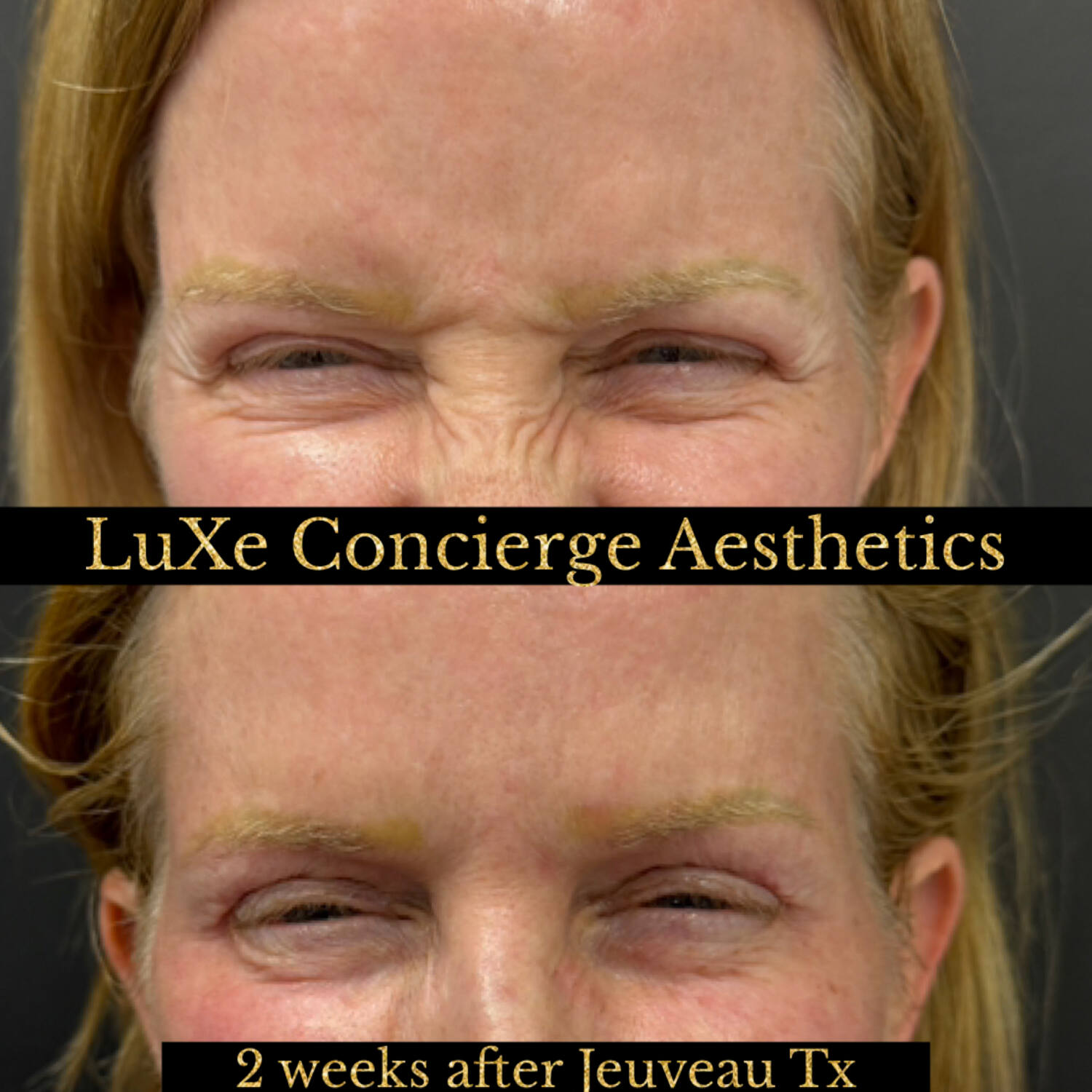
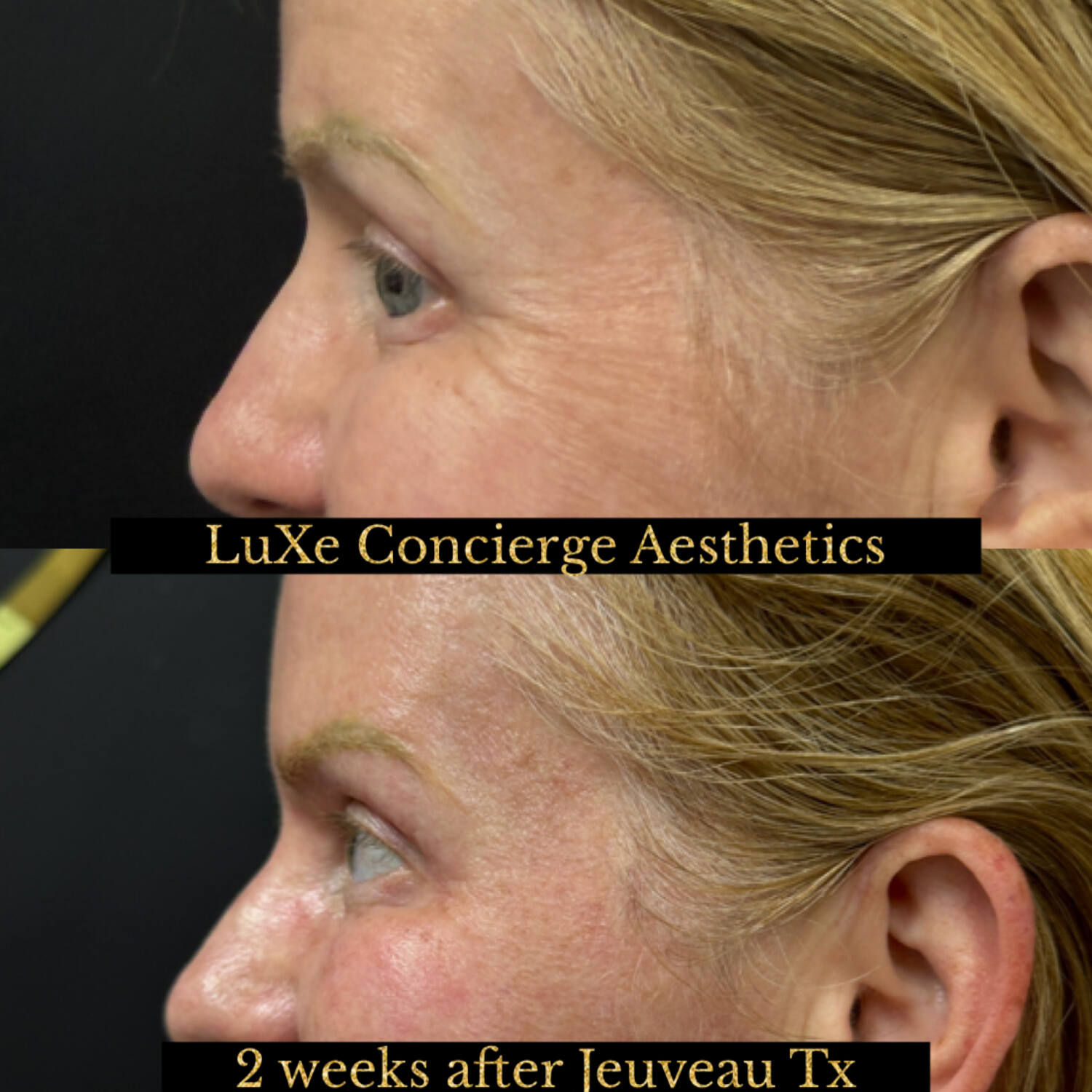
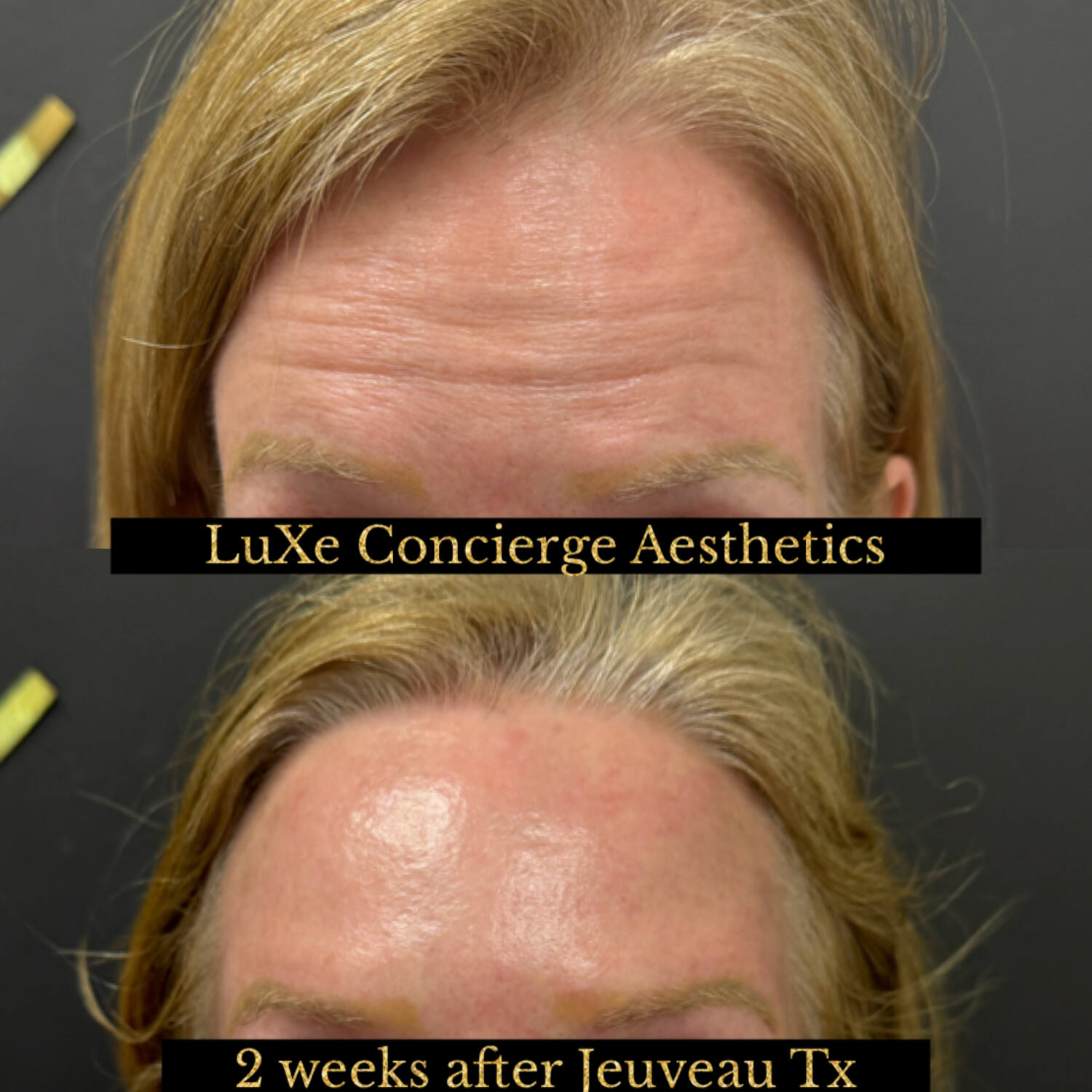
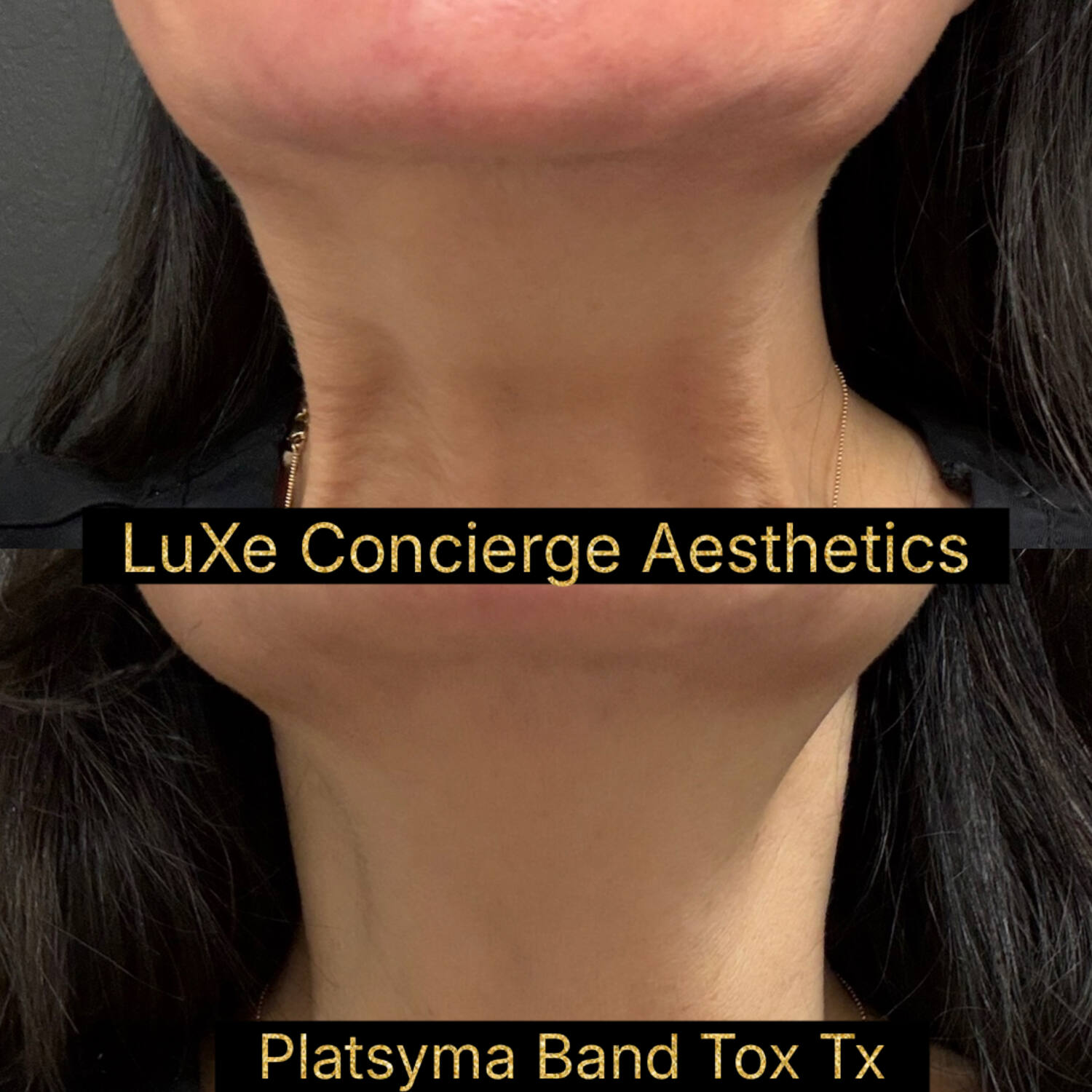
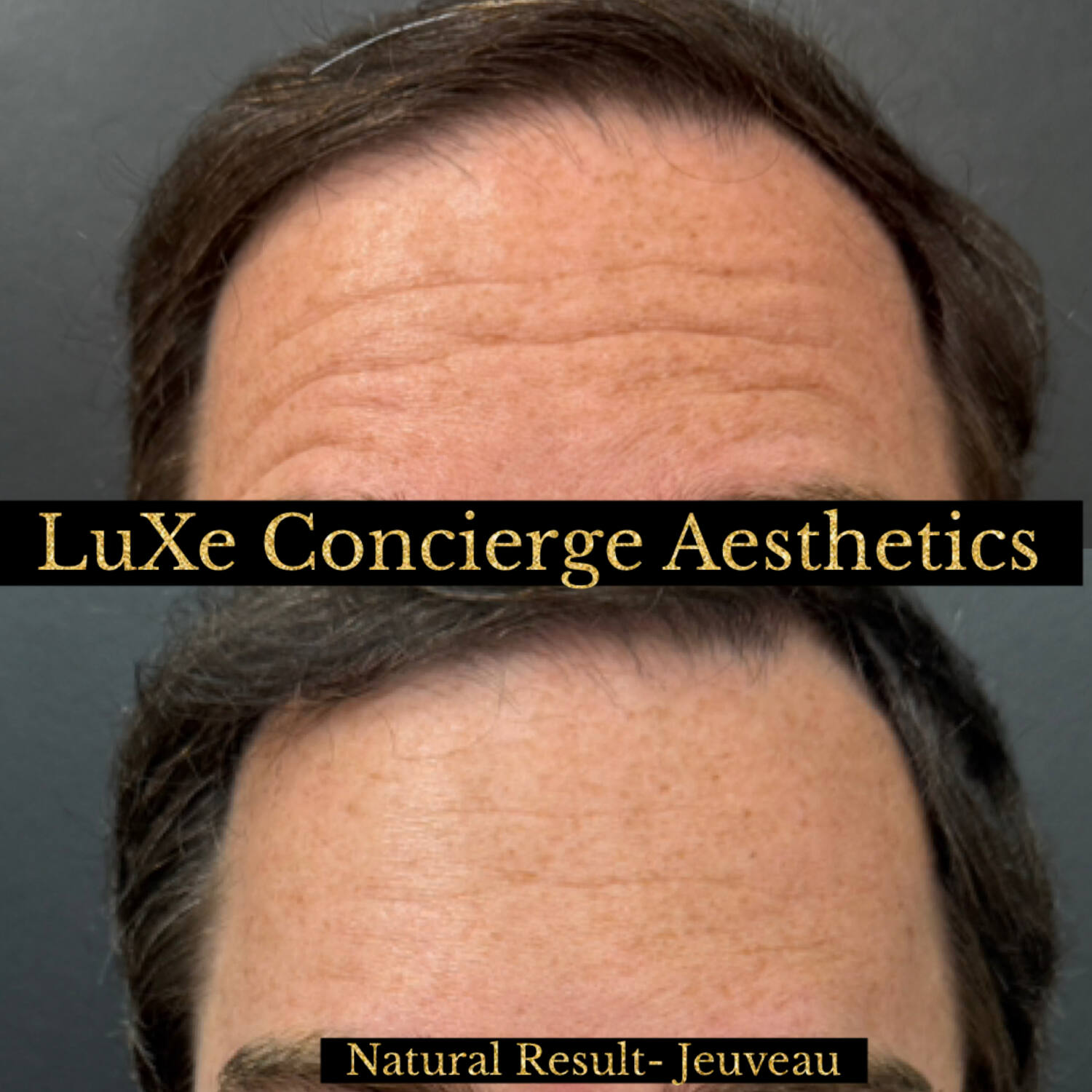
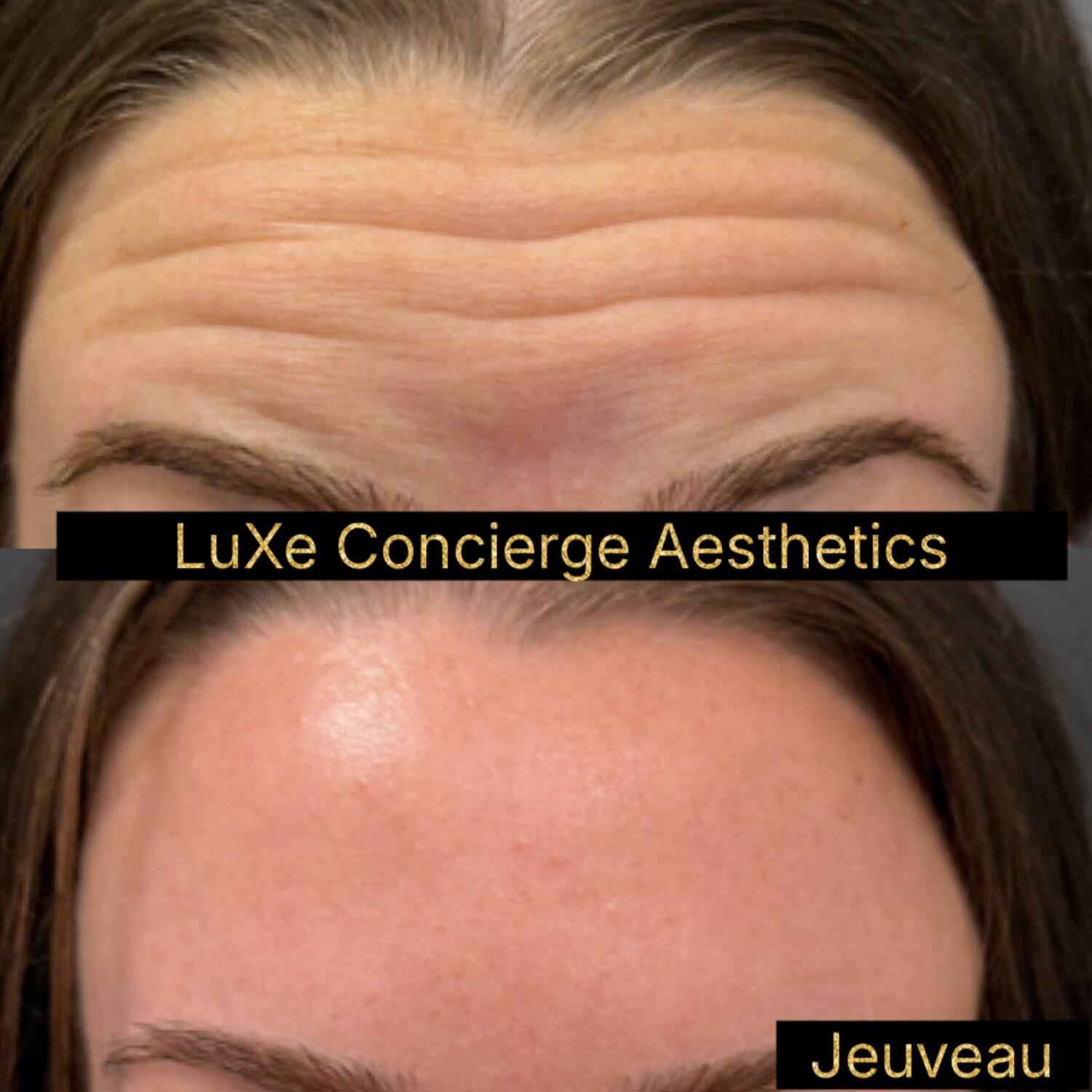
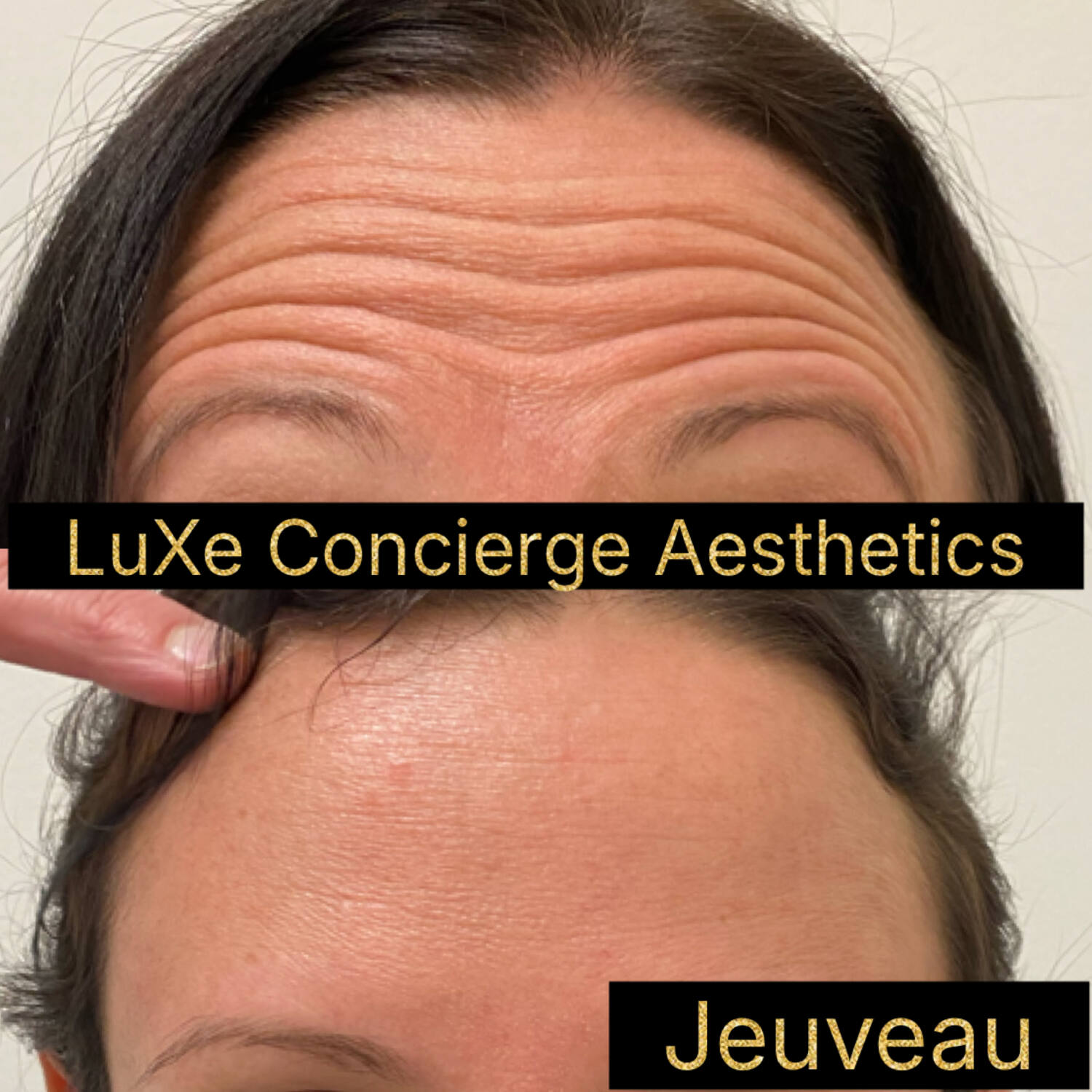
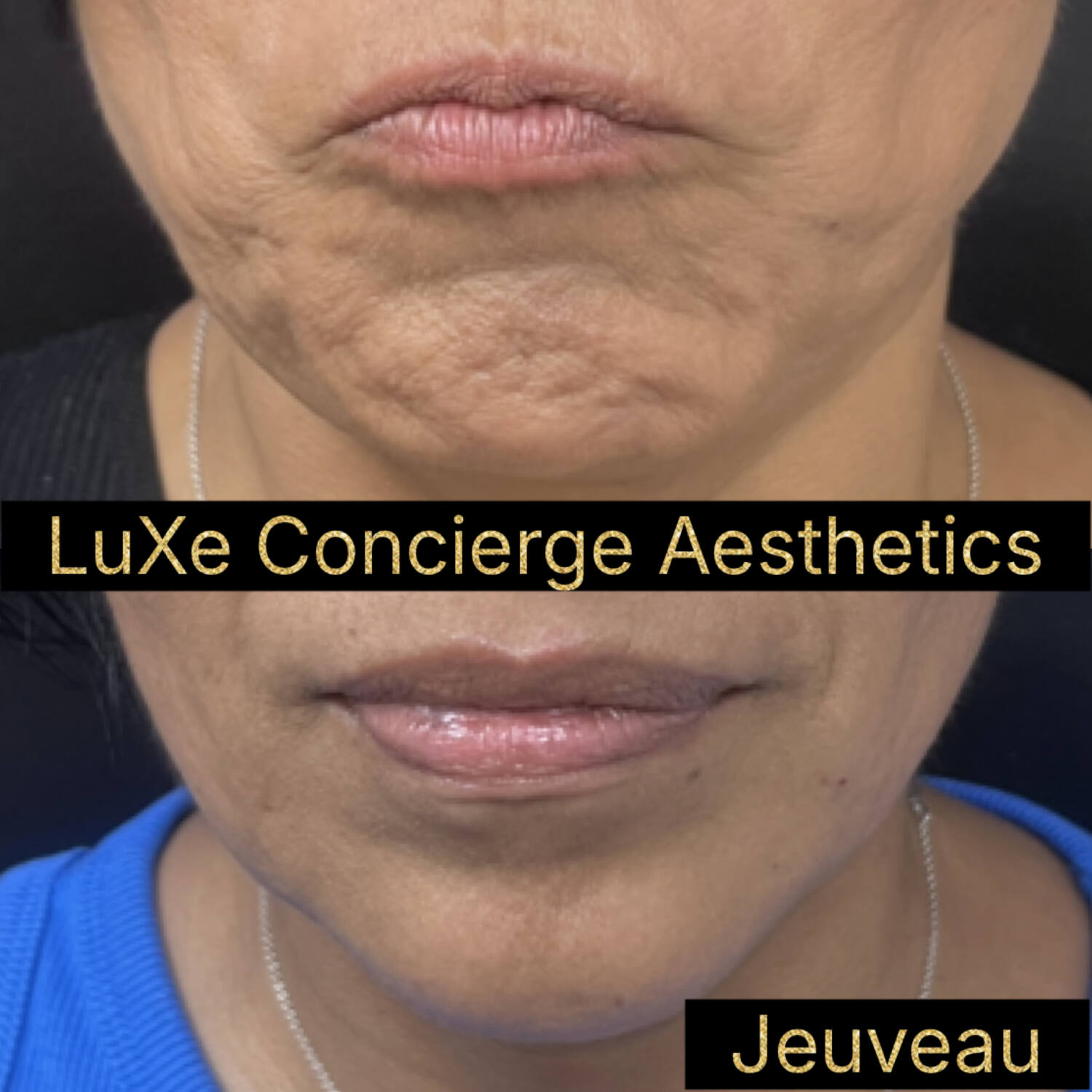
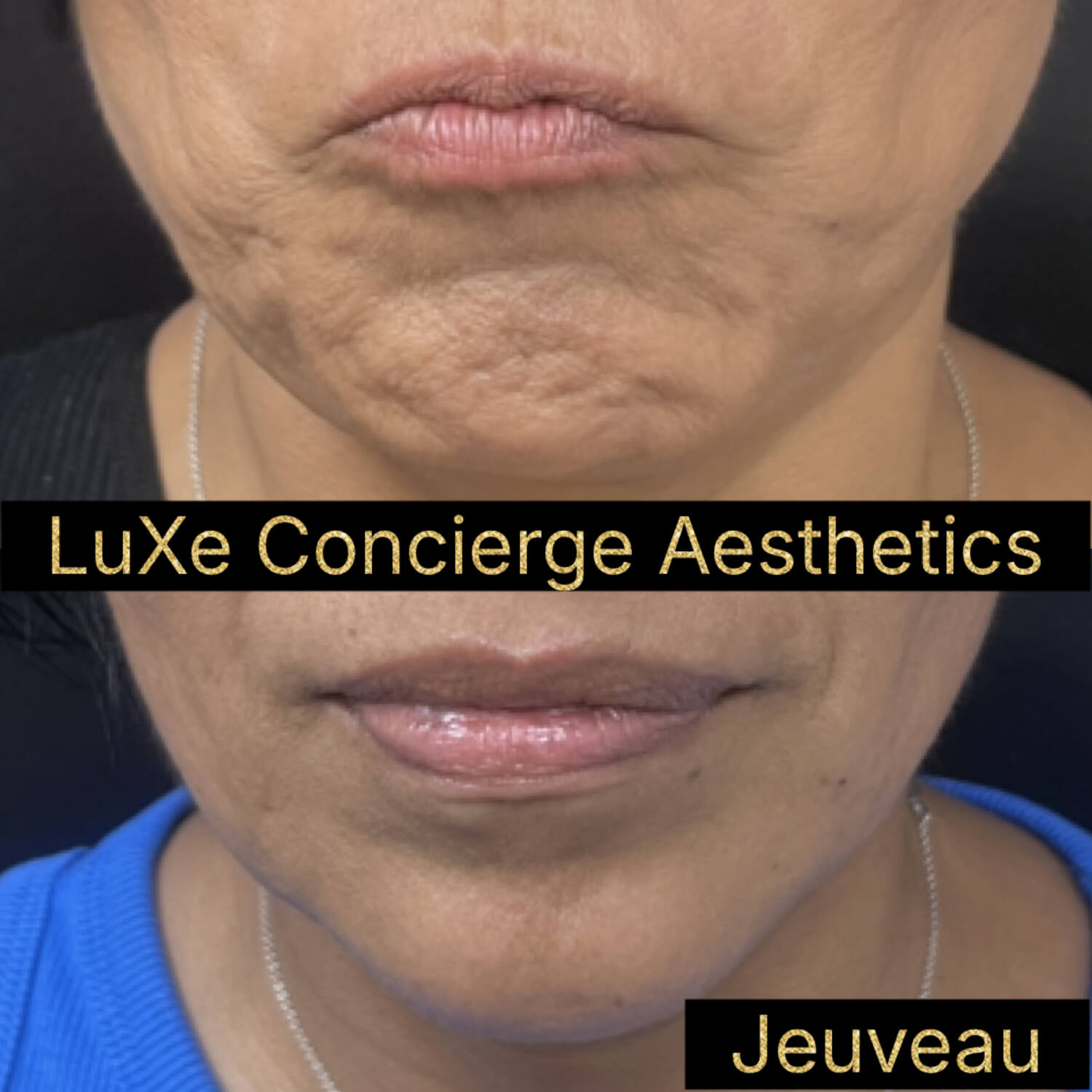
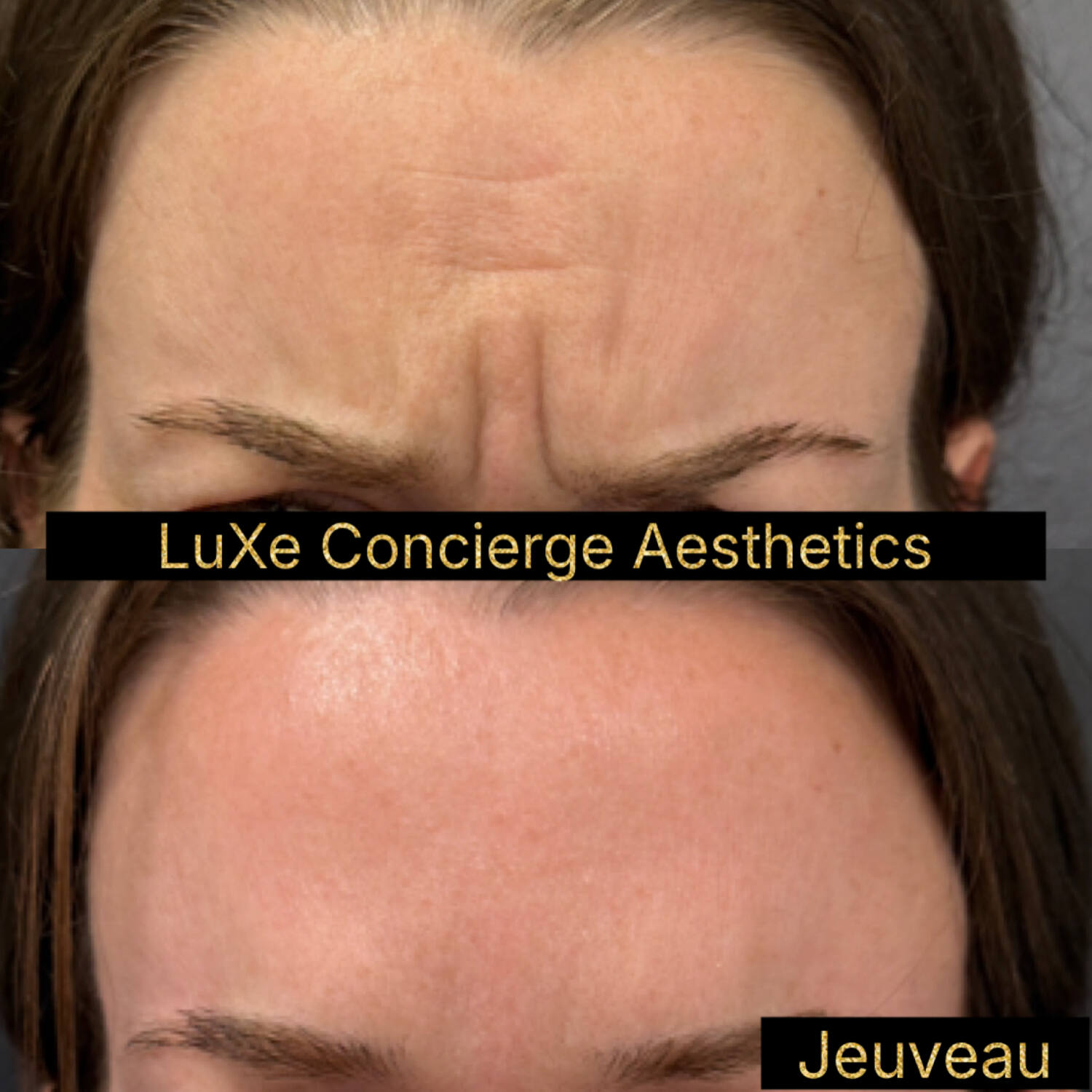
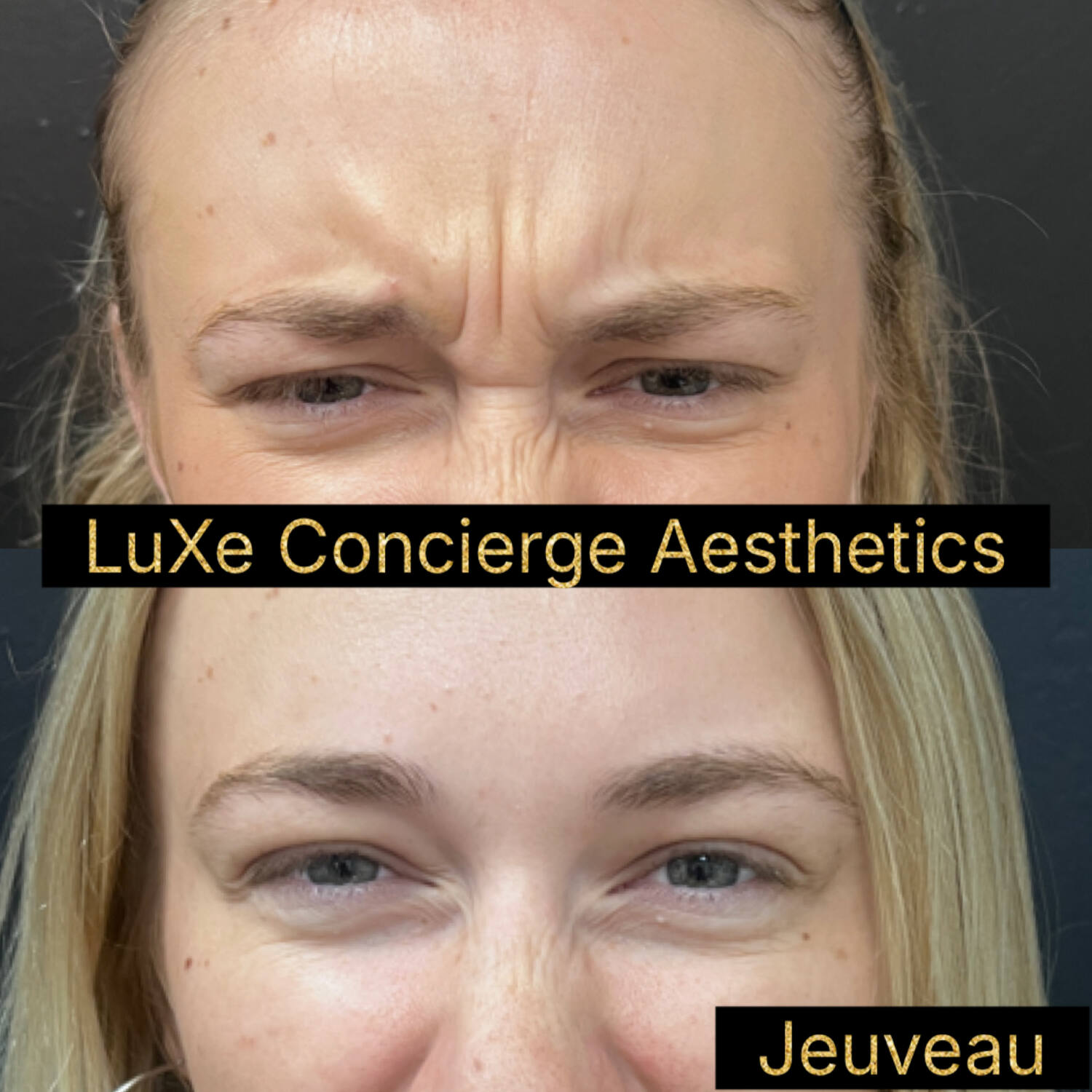
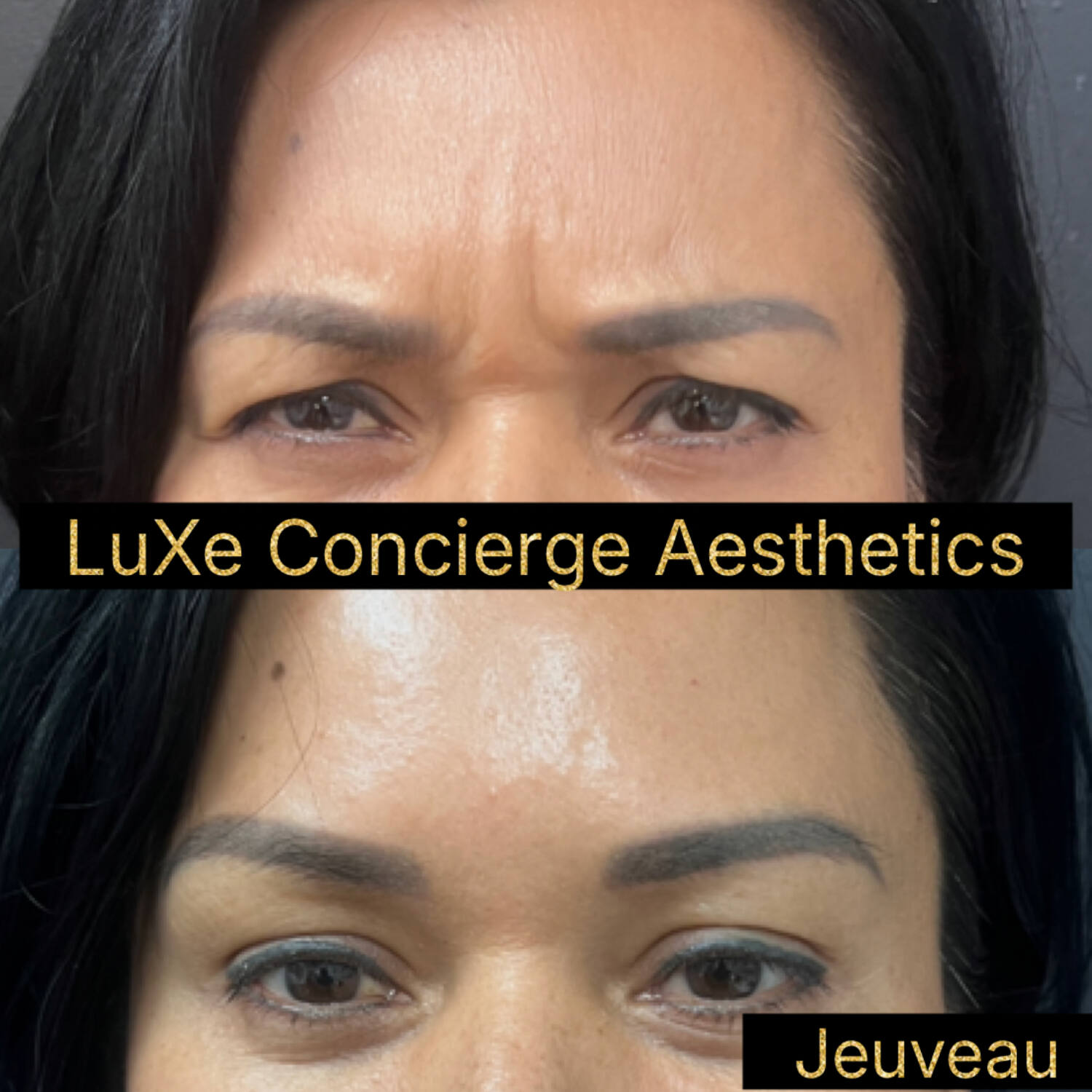
Good expectations make for happy patients. Botox is fantastic at softening the lines that come from movement and at lifting that tired, tense look. What it can’t do is replace lost volume or fill a hollow — that’s filler’s job — and it won’t fully erase a deep line already carved into the skin at rest, though it will soften it and keep it from getting worse. For those deeper concerns, Botox is often paired with dermal fillers, collagen-building biostimulators, or skin resurfacing. The before-and-after gallery below is the honest benchmark for the kind of natural results that are the goal here.
Why It Matters Who’s Holding the Needle
Botox is easy to inject. It’s hard to inject well. Natural results come down to reading anatomy, gauging how strong each muscle is, and understanding how one area pulls on the next, and there’s simply no template for that. At LuXe Concierge Aesthetics, every patient is treated personally by Deborah Lenchus, MSN, APRN, a nurse practitioner with more than twenty years of experience. She also teaches these techniques to other nurse practitioners, PAs, and physicians through both LuXe Concierge Aesthetics and Elevate Aesthetics Academy, and she has performed live VI Peel demonstrations and presented at medical conferences sponsored by VI Peel. You’re never handed off to a technician. That mix of medical training, a genuine artistic eye, and a “less is more” philosophy is what keeps results looking like you, just well-rested.
Why Patients Choose LuXe Concierge Aesthetics
LuXe is a private, concierge-style practice where an experienced medical provider — not an assistant — performs every treatment. Patients drive in from Weston, Plantation, Cooper City, Pembroke Pines, Southwest Ranches, Sunrise, and Fort Lauderdale for injectables that genuinely look natural. Because the full lineup of neuromodulators is on hand, your treatment is matched to your face rather than to whatever’s in stock, and Botox slots in easily alongside fillers, biostimulators, and skin treatments when a combined plan makes sense.
Ready to look a little more rested? Book a consultation with Deborah Lenchus, MSN, APRN and put together a Botox plan that fits your face. Call (754) 715-5667 or book online whenever you’re ready.
Before & After Results
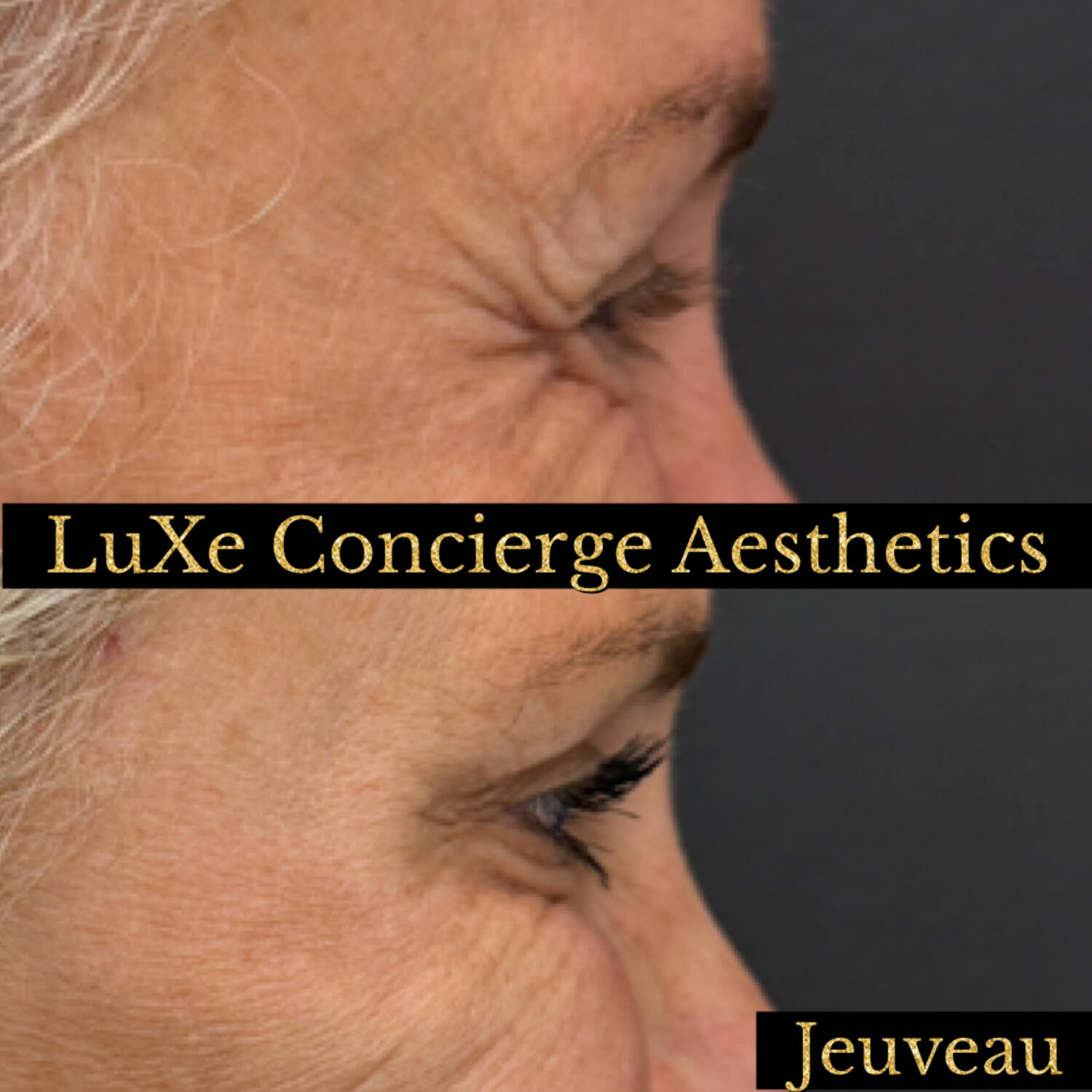
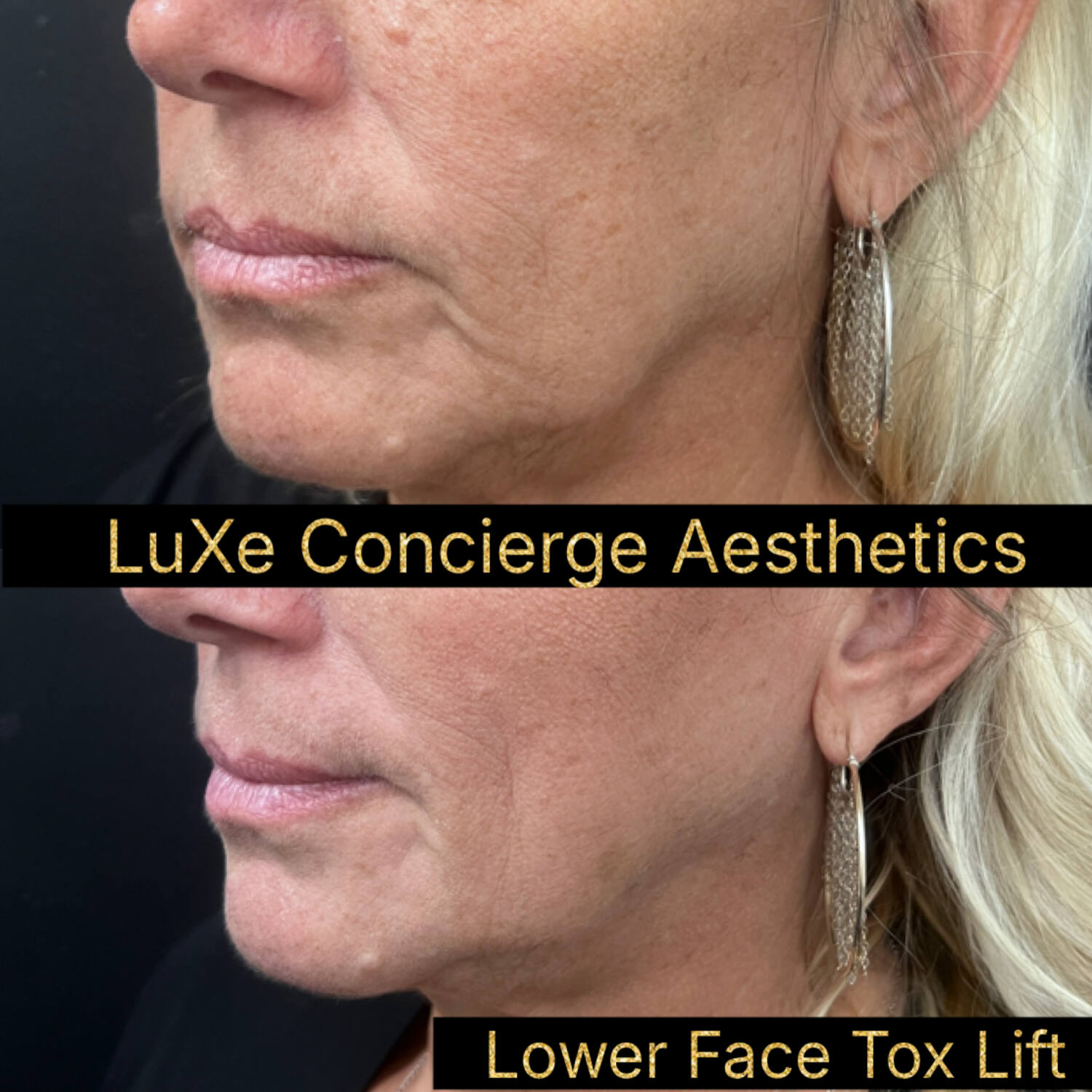
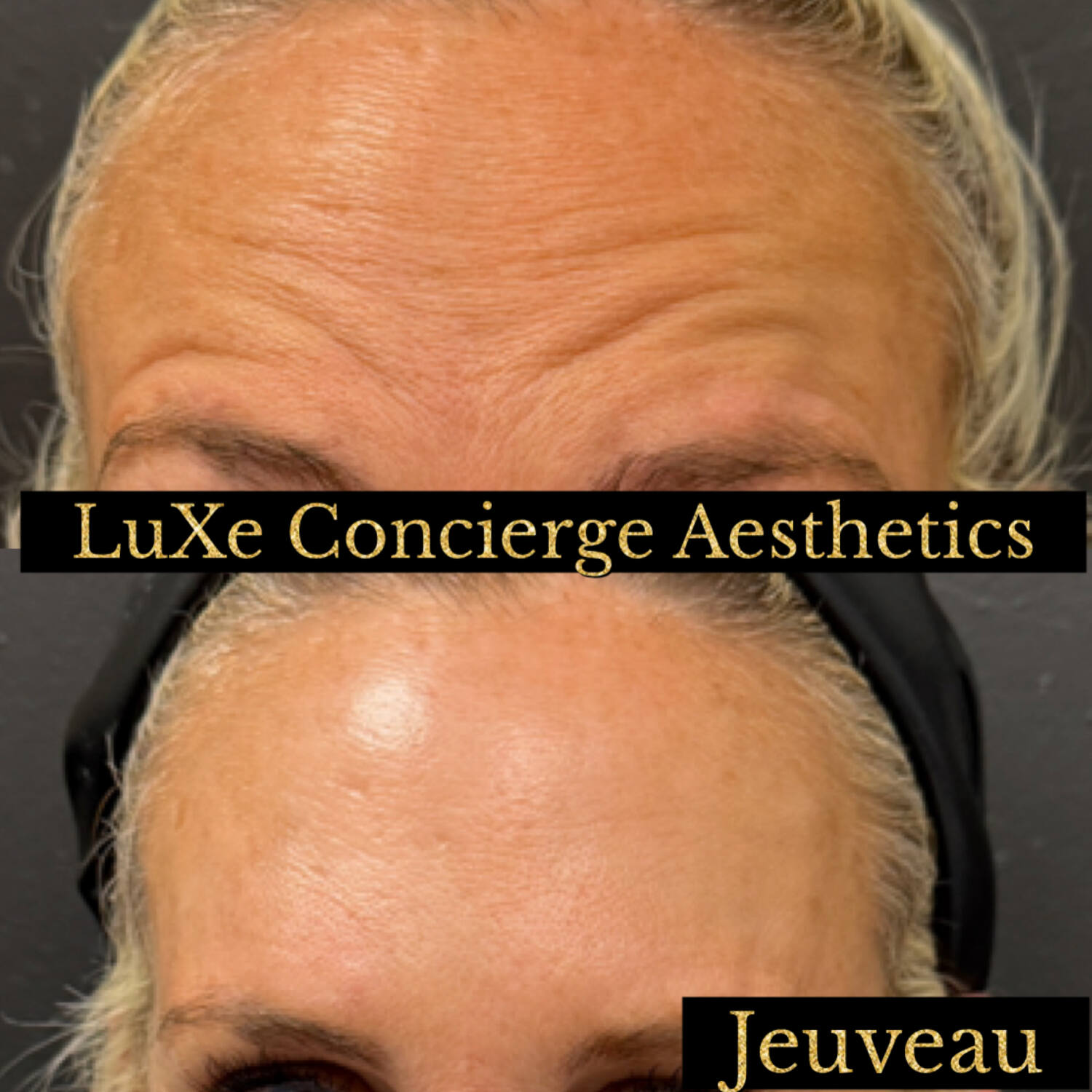
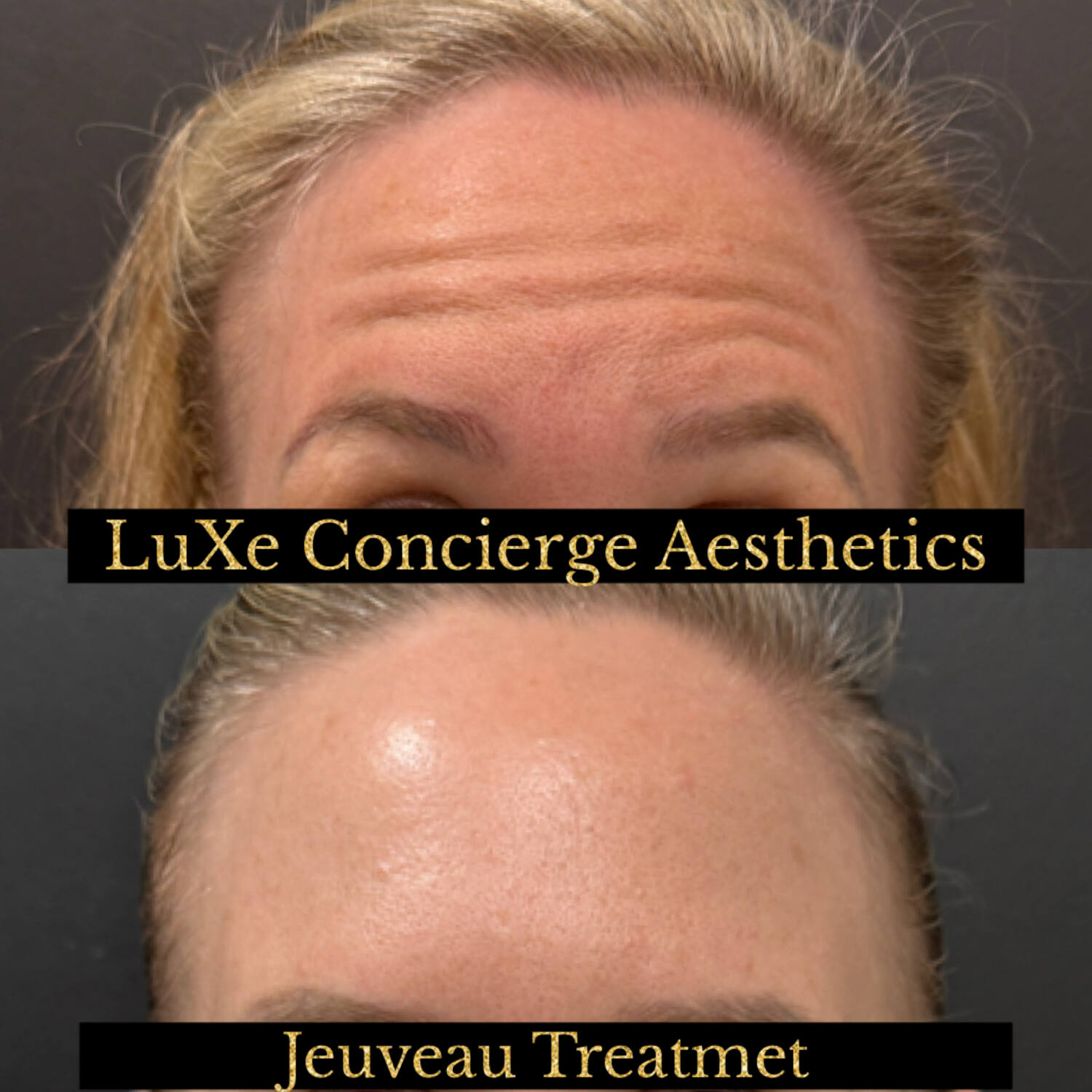
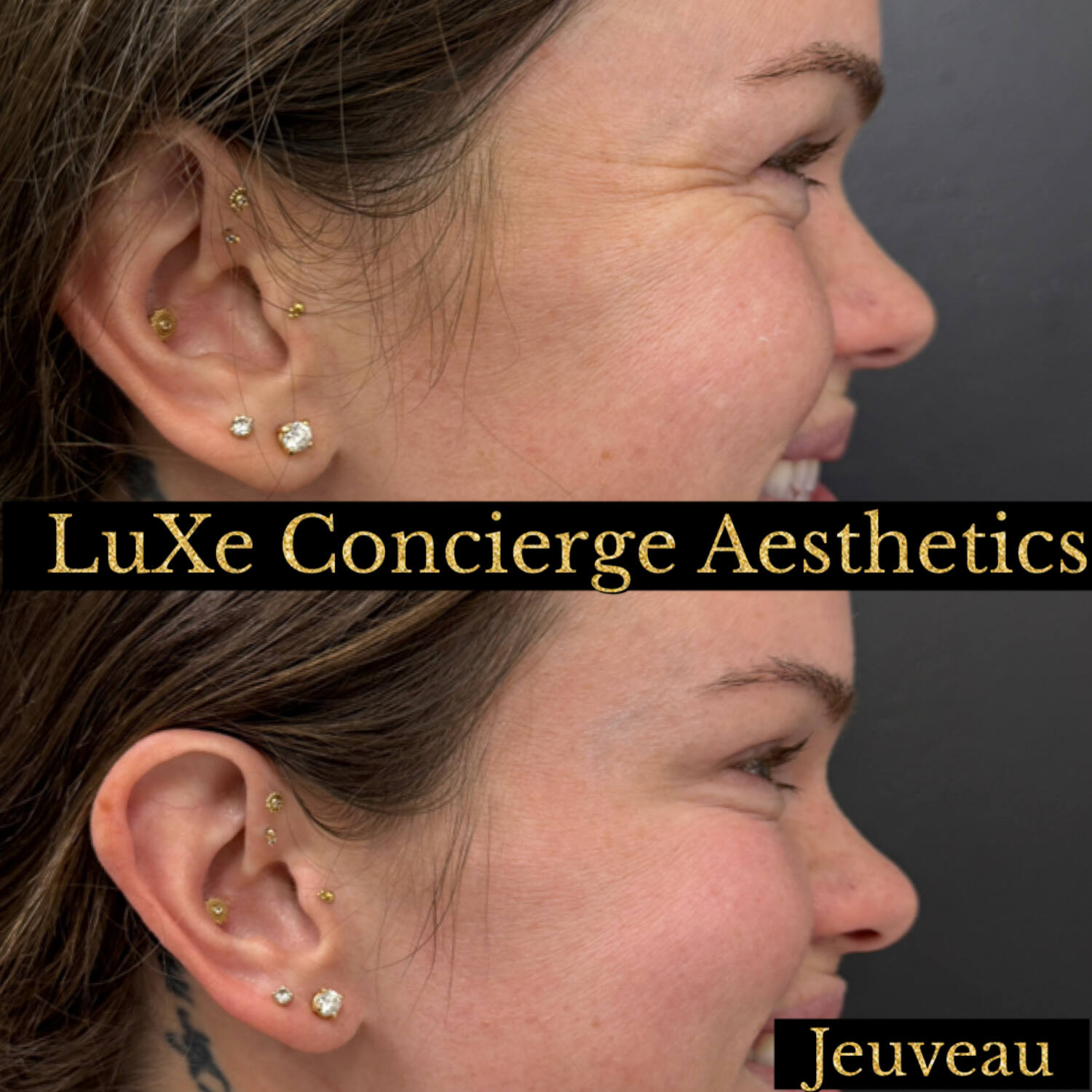
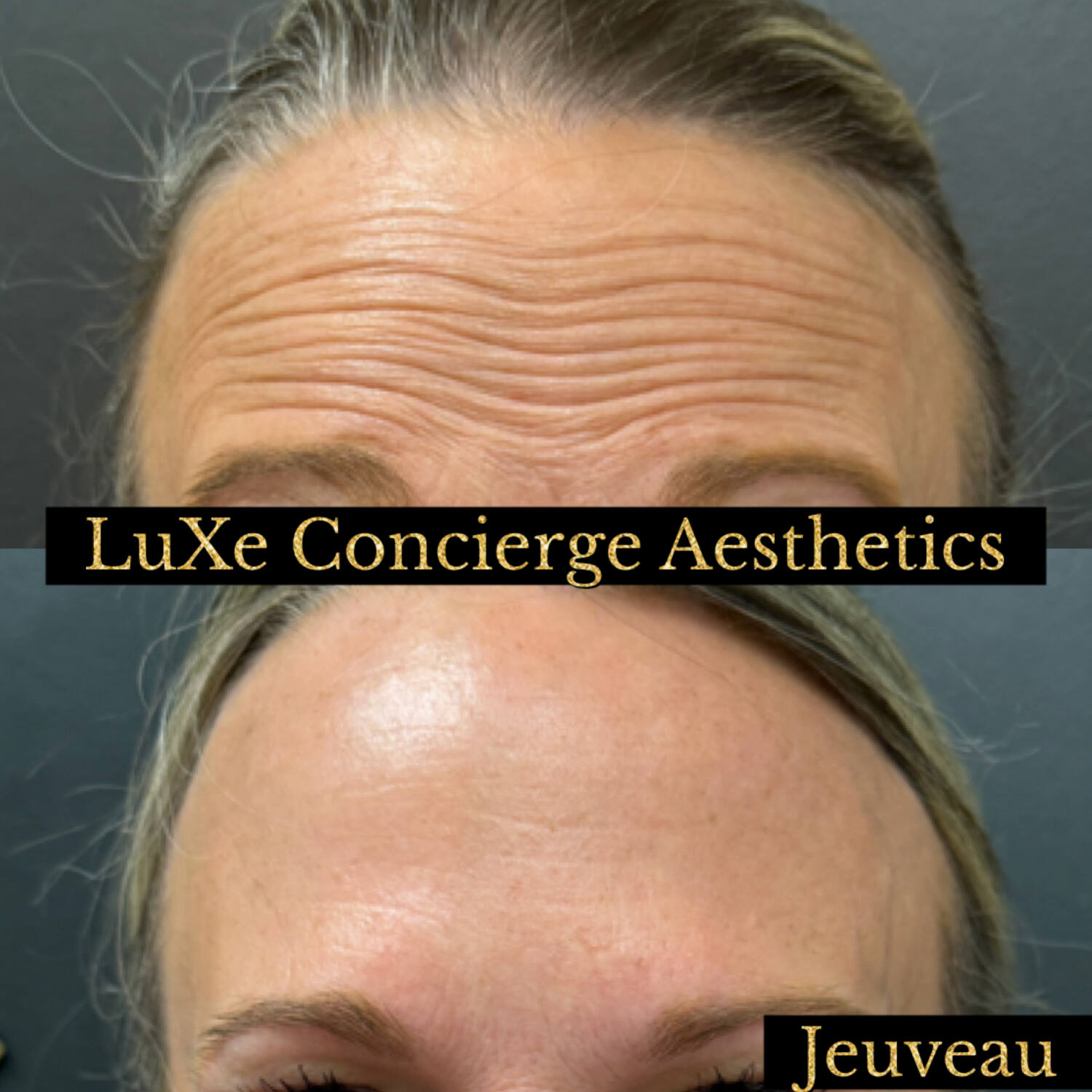
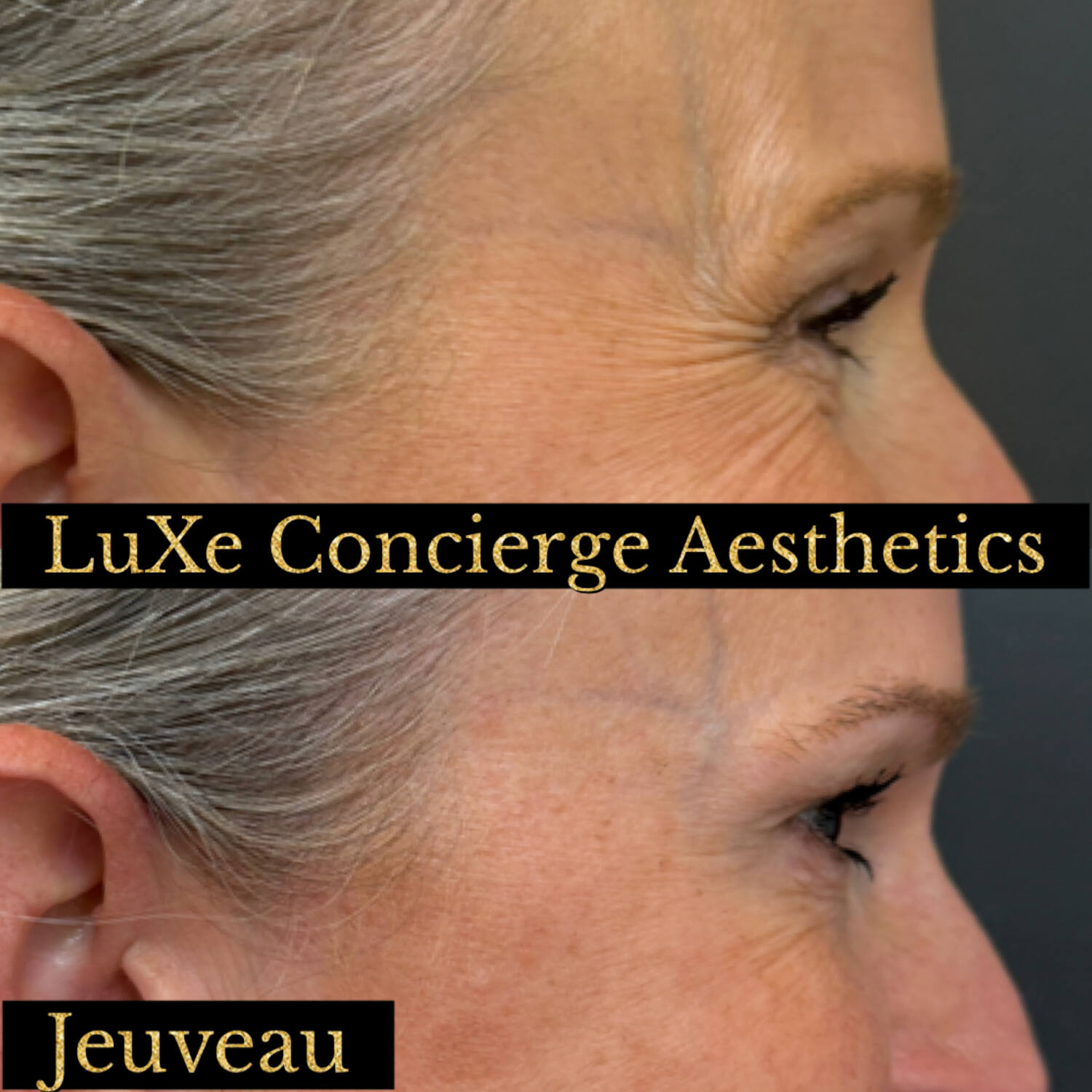
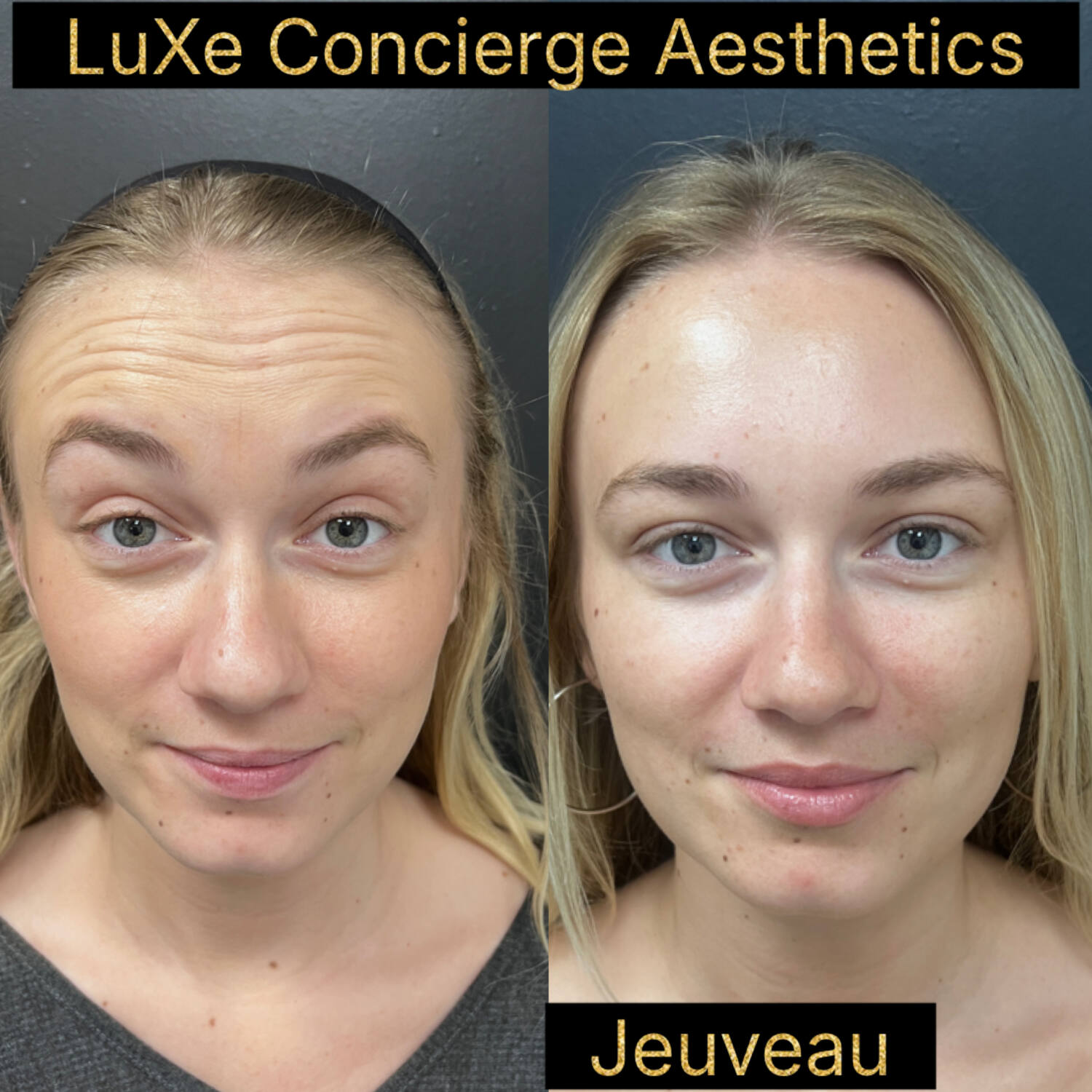
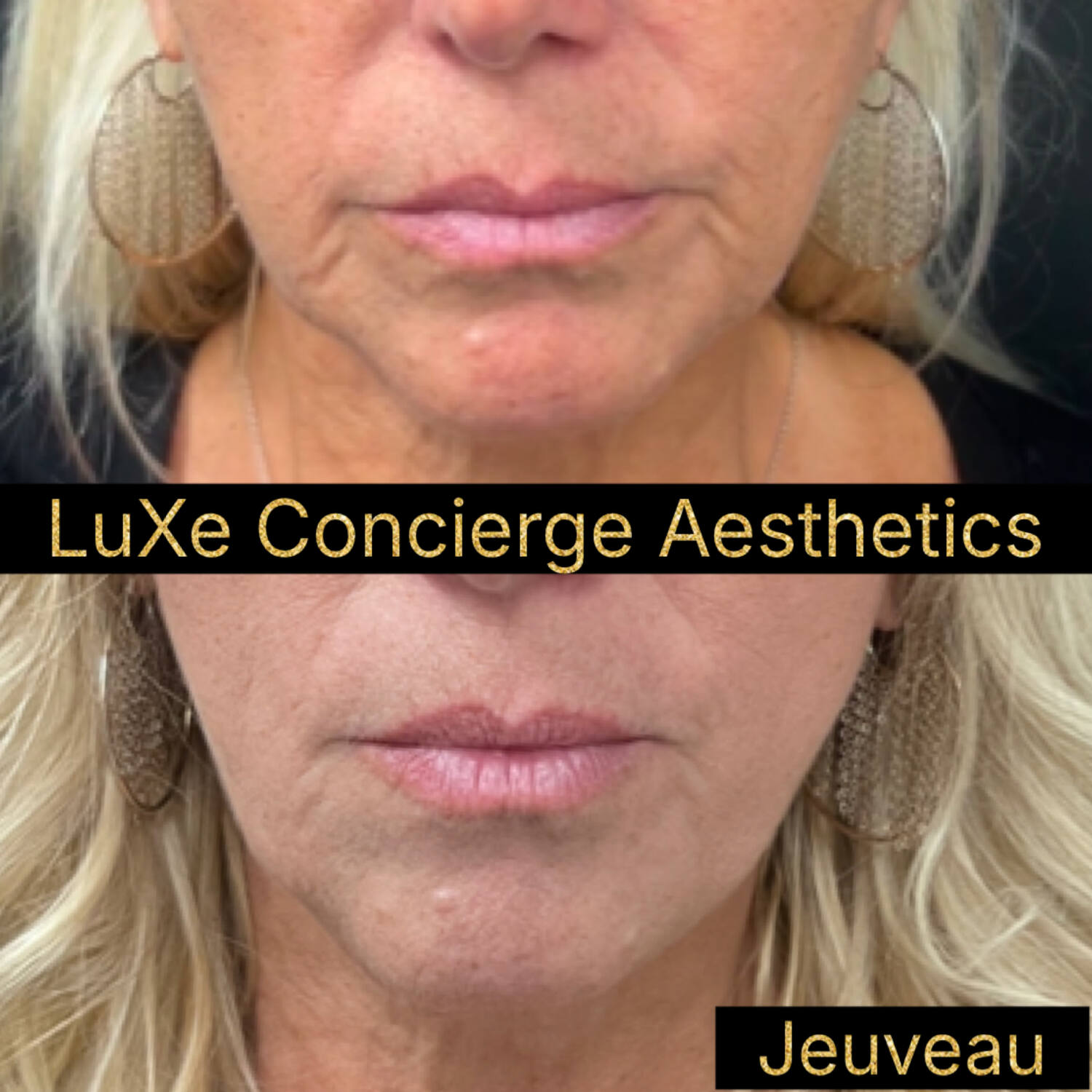
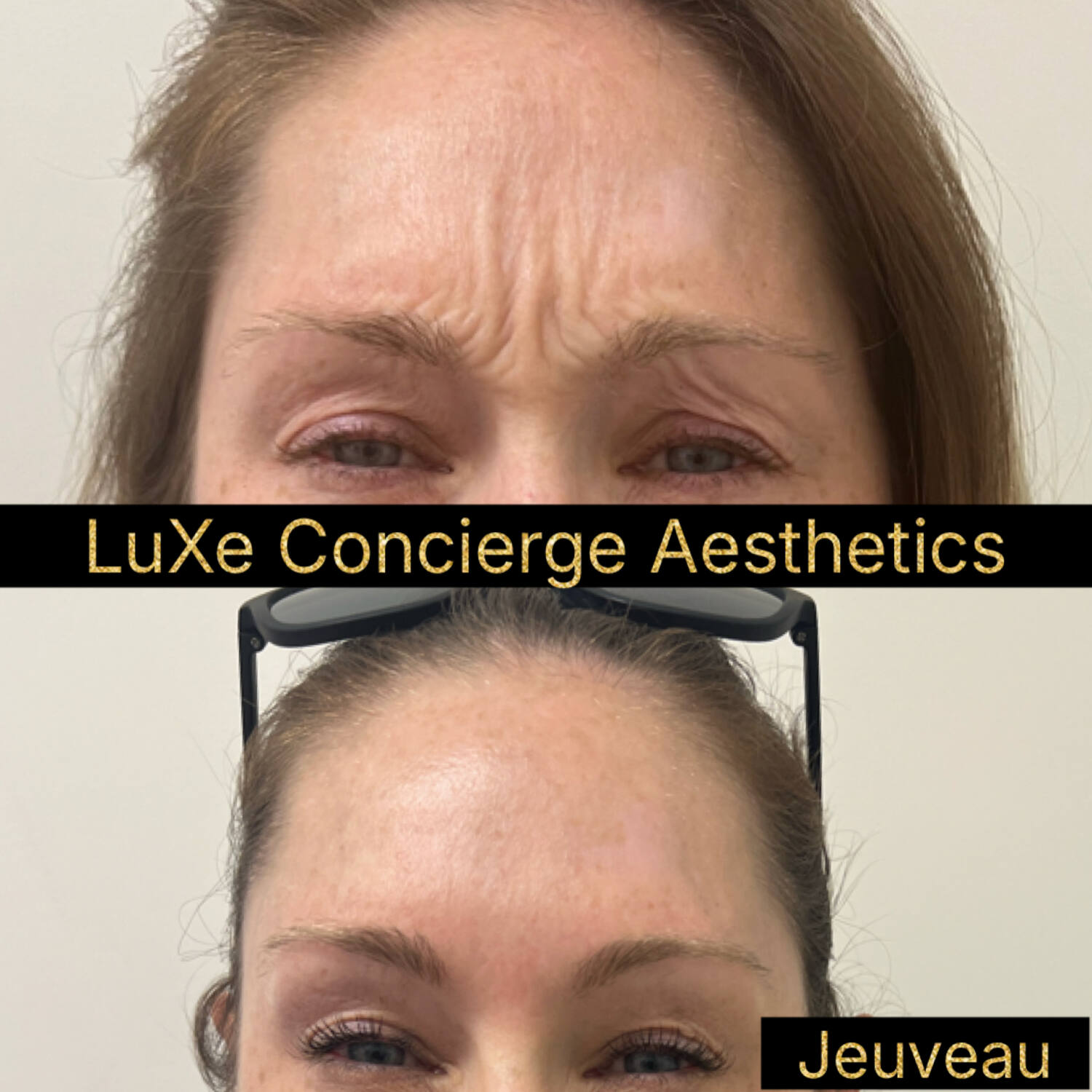
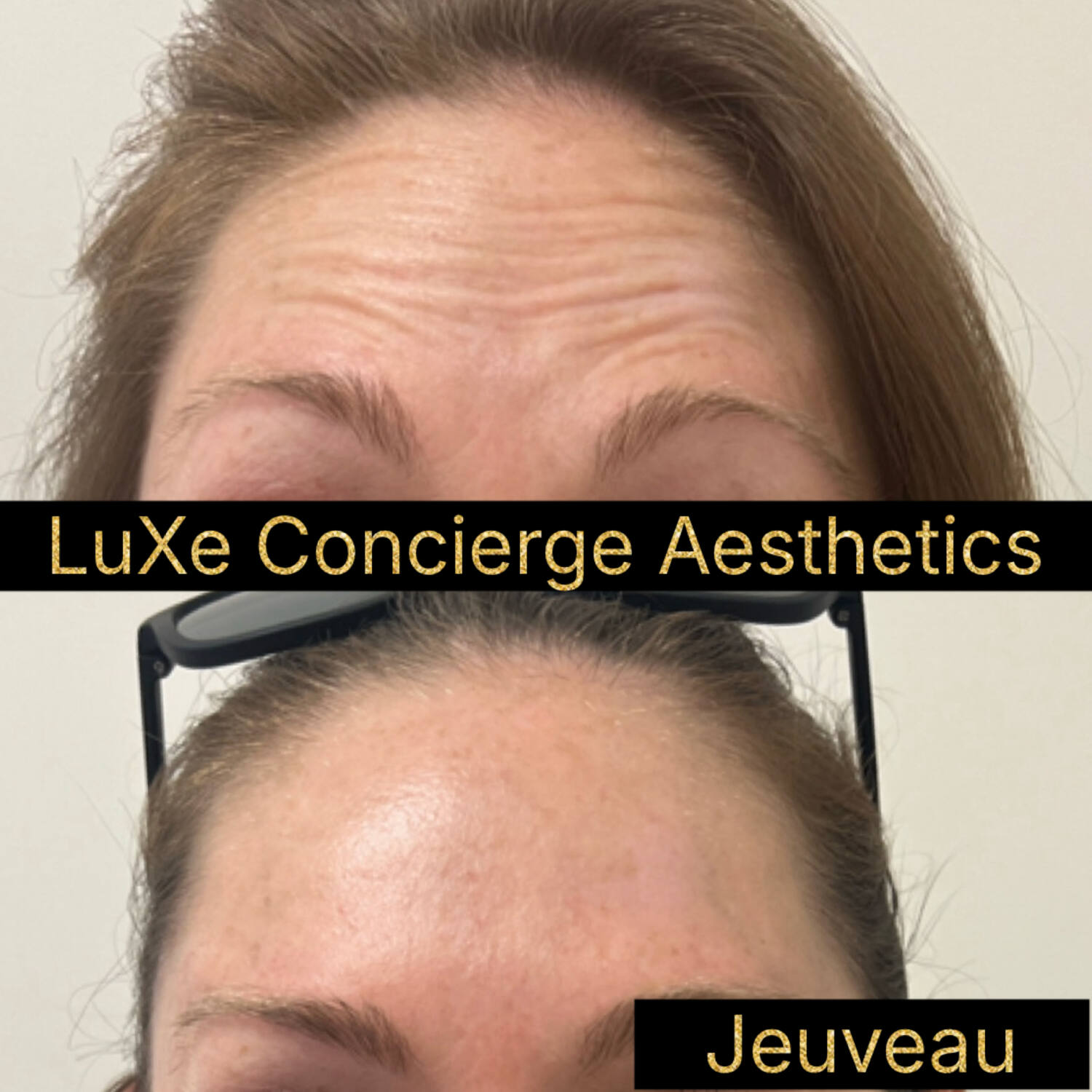
What are neuromodulators?
Neuromodulators, also known as neurotoxins, are injectable substances that work by temporarily blocking nerve signals to targeted muscles. They are commonly used in cosmetic procedures to reduce the appearance of wrinkles and fine lines. They work by temporarily inhibiting muscle movement-induced lines from developing, without impeding your ability to express emotions. Neuromodulators are typically used to treat dynamic wrinkles, such as frown lines, forehead lines, and crow’s feet
The most well-known neuromodulator used in cosmetic treatments is Botulinum Toxin Type A, which is marketed under brand names such as Botox, Dysport, Jeuveau, Xeomin, and Daxxify. When injected into specific facial muscles, neuromodulators prevent the muscles from contracting, resulting in smoother and younger-looking skin.
Will I see results right away after treatment?
After a neuromodulator treatment, you may start to notice some results within a few days, but the full effects typically become more apparent within 7 to 14 days. The treated muscles gradually relax, resulting in smoother and less wrinkled skin in the targeted areas. It is common for some patients to see immediate improvement in the first few days, while others may take a bit longer to observe noticeable changes.
It is important to keep in mind that individual results may vary, and factors such as the extent of treatment, metabolism, and muscle response can influence how quickly you see the effects. Typical follow up appointments are scheduled at 2 weeks post treatment to asses if additional units are required.
How long do neuromodulators last?
The duration of neuromodulators, such as Botox, Jeuveau, Dysport, Xeomin, and Daxxify, can vary from person to person. On average, the effects of neuromodulators typically last between 3 to 4 months.
Factors that can influence the longevity of neuromodulators include the dosage administered, the treated area, individual metabolism, muscle strength, and how quickly your body breaks down the product. To maintain the desired results, follow-up treatments are usually recommended once the effects start to diminish.
Is there recovery or downtime following injections?
Following neuromodulator injection, there is typically minimal to no downtime or recovery period required. Most people are able to resume their normal activities immediately after the treatment. It is important to avoid rubbing the treated area, leaning forward and laying down for four hours. It is also advised to avoid strenuous exercise, alcohol consumption, and excessive sun exposure for the first 24 hours after the injections to minimize the risk of side effects.
Some individuals may experience mild redness, swelling, or bruising at the injection site, but these side effects are usually temporary and subside within a few days. Applying ice packs and gentle pressure can help reduce any discomfort or swelling.
Which wrinkle relaxer is right for me — Botox, Dysport, Xeomin, Jeuveau, or Daxxify?
How long does Daxxify last?
What areas can wrinkle relaxers treat?
How should I prepare and care for my skin (pre & post care)?
How much does Botox cost?
Does Botox hurt?
Is Botox safe?
Will Botox make me look frozen?
What is the right age to start Botox?
What is a Botox lip flip?
Can Botox slim the jaw or help with TMJ and teeth grinding?
Can Botox treat excessive sweating?
Can I combine Botox with fillers or other treatments?
What happens if I stop getting Botox?
Can I get Botox while pregnant or breastfeeding?
Related Treatments at LuXe Concierge Aesthetics
Dermal Fillers & Facial Balancing, Biostimulators, RF Skin Tightening
Patients travel from Weston, Plantation, Cooper City, Pembroke Pines, Southwest Ranches, Sunrise, and Fort Lauderdale for Botox and wrinkle relaxers at LuXe Concierge Aesthetics in Davie, FL.
Botox Near Me in Davie & Weston
Looking for Botox near you? LuXe Concierge Aesthetics is located in Davie, FL, just minutes from Weston, Cooper City, Plantation, Southwest Ranches, Pembroke Pines, Sunrise and Fort Lauderdale. Every Botox treatment is performed personally by Deborah Lenchus, MSN, APRN. See the areas we serve, or call (754) 715-5667 to book your consultation.
Frequently Asked Questions
What are neuromodulators?
Neuromodulators, also known as neurotoxins, are injectable substances that work by temporarily blocking nerve signals to targeted muscles. They are commonly used in cosmetic procedures to reduce the appearance of wrinkles and fine lines. They work by temporarily inhibiting muscle movement-induced lines from developing, without impeding your ability to express emotions. Neuromodulators are typically used to treat dynamic wrinkles, such as frown lines, forehead lines, and crow’s feet The most well-known neuromodulator used in cosmetic treatments is Botulinum Toxin Type A, which is marketed under brand names such as Botox, Dysport, Jeuveau, Xeomin, and Daxxify. When injected into specific facial muscles, neuromodulators prevent the muscles from contracting, resulting in smoother and younger-looking skin.
Will I see results right away after treatment?
After a neuromodulator treatment, you may start to notice some results within a few days, but the full effects typically become more apparent within 7 to 14 days. The treated muscles gradually relax, resulting in smoother and less wrinkled skin in the targeted areas. It is common for some patients to see immediate improvement in the first few days, while others may take a bit longer to observe noticeable changes. It is important to keep in mind that individual results may vary, and factors such as the extent of treatment, metabolism, and muscle response can influence how quickly you see the effects. Typical follow up appointments are scheduled at 2 weeks post treatment to asses if additional units are required.
How long do neuromodulators last?
The duration of neuromodulators, such as Botox, Jeuveau, Dysport, Xeomin, and Daxxify, can vary from person to person. On average, the effects of neuromodulators typically last between 3 to 4 months. Factors that can influence the longevity of neuromodulators include the dosage administered, the treated area, individual metabolism, muscle strength, and how quickly your body breaks down the product. To maintain the desired results, follow-up treatments are usually recommended once the effects start to diminish.
Is there recovery or downtime following injections?
Following neuromodulator injection, there is typically minimal to no downtime or recovery period required. Most people are able to resume their normal activities immediately after the treatment. It is important to avoid rubbing the treated area, leaning forward and laying down for four hours. It is also advised to avoid strenuous exercise, alcohol consumption, and excessive sun exposure for the first 24 hours after the injections to minimize the risk of side effects. Some individuals may experience mild redness, swelling, or bruising at the injection site, but these side effects are usually temporary and subside within a few days. Applying ice packs and gentle pressure can help reduce any discomfort or swelling.
Which wrinkle relaxer is right for me — Botox, Dysport, Xeomin, Jeuveau, or Daxxify?
All are FDA-approved botulinum toxin type A products that smooth dynamic lines, but they differ slightly. Botox, Jeuveau, and Xeomin are precise and widely used; Dysport can spread a bit more, which suits larger areas like the forehead; and Daxxify is a newer, longer-lasting option that can last up to about six months for some patients. The right neurotoxin for you is best determined during a consultation, where your nurse practitioner assesses your muscle strength, facial anatomy, goals, and how long you want your results to last before recommending the ideal product.
How long does Daxxify last?
Daxxify (RelabotulinumtoxinA) is formulated so that it could potentially last longer than traditional neuromodulators — many patients enjoy results for up to about six months, compared with the typical three to four months, which can mean fewer treatments per year.
What areas can wrinkle relaxers treat?
Common areas include the frown lines between the brows (glabella), forehead lines, and crow’s feet. They can also soften bunny lines on the nose, perform a lip flip, relax a gummy smile, smooth chin dimpling, slim the jawline (masseter), and treat neck bands — and are also used for excessive underarm sweating (hyperhidrosis).
How should I prepare and care for my skin (pre & post care)?
Before treatment, avoid blood thinners, alcohol, aspirin, and fish oil for a few days where possible to reduce bruising (never stop prescribed medication without your doctor). Afterward, stay upright for about four hours, avoid rubbing or massaging the treated area, and skip strenuous exercise, heat, and facials for 24 hours so the product settles precisely.